Consider a traveler booking a flight, a prepaid coastal stay and a guided outdoor excursion. Some deposits can be recovered if plans change, while others cannot. They also have a domestic health plan but do not know what happens overseas. This is a hypothetical planning example, not a recommendation for a particular policy. It shows why travel insurance requires a closer reading than an appealing checkout checkbox. The useful questions concern the trip, the traveler and the wording of the cover, rather than a single advertised benefit. Insurance rules vary by residence, destination and contract. Use this guide to prepare questions for an authorized insurer or adviser, and make the purchase only after the policy documentation answers them.
THE SHORT VERSION
Compare policies against unrecoverable bookings, healthcare arrangements and planned activities. Confirm exclusions, disclosure requirements and claim conditions in the actual wording before paying. A lower premium is not good value if the trip's main risks fall outside cover. This is general planning information; individual suitability requires the insurer's answers to your circumstances.
In this guide
Which costs and events would be covered?
List the bookings you would lose after using their own refund policies. Separate prepaid accommodation and activities from payments you have not made. Then ask what events trigger cancellation or interruption benefits. Changing your mind, a transport problem and an unexpected illness are not interchangeable reasons under a policy.
NAIC's travel-insurance overview distinguishes cancellation, medical and evacuation coverage and describes important exclusions. Use those categories to structure questions, not to assume every policy includes them. An advertised cancellation amount is a limit rather than a promise that every cancellation qualifies. Ask which documents would be required and whether each traveling companion's circumstances need to be declared.
How would medical care and evacuation work?
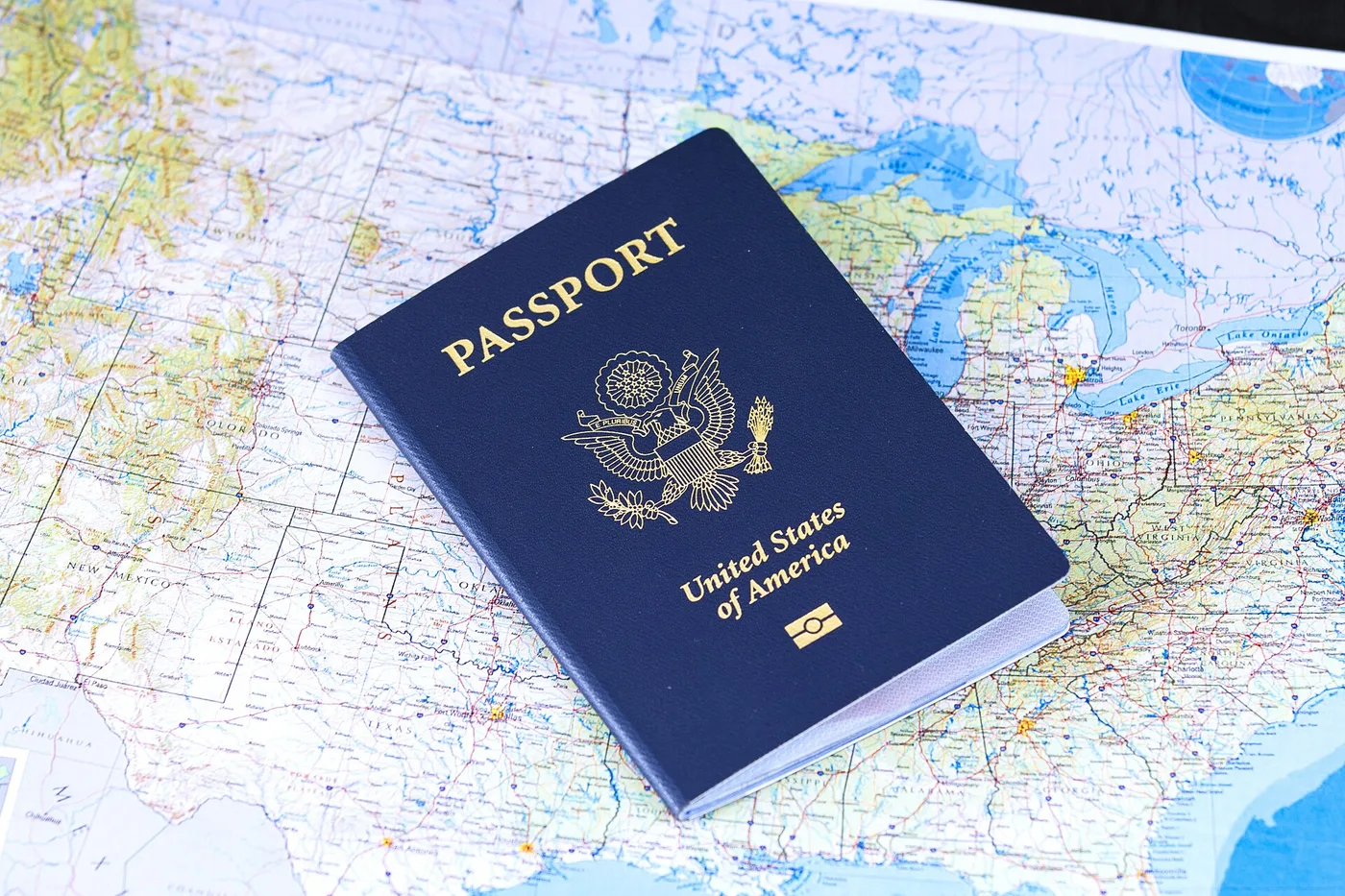
Contact your existing healthcare provider to establish what overseas treatment it covers, where reimbursement applies and whether you may need to pay a provider first. The U.S. State Department's health guidance recommends checking international medical coverage and considering medical and evacuation insurance where appropriate. Travelers resident elsewhere should also consult their own official guidance.
Read emergency-assistance procedures carefully. Ask when you must contact the assistance service, how treatment is authorized and what evacuation means under the contract. Transport to a suitable nearby facility and transport home are different benefits. If you have ongoing conditions, obtain clear instructions about disclosure and any exclusions or acceptance terms. Do not assume stable symptoms remove a duty to declare medical history.
Do your activities and destinations fit?
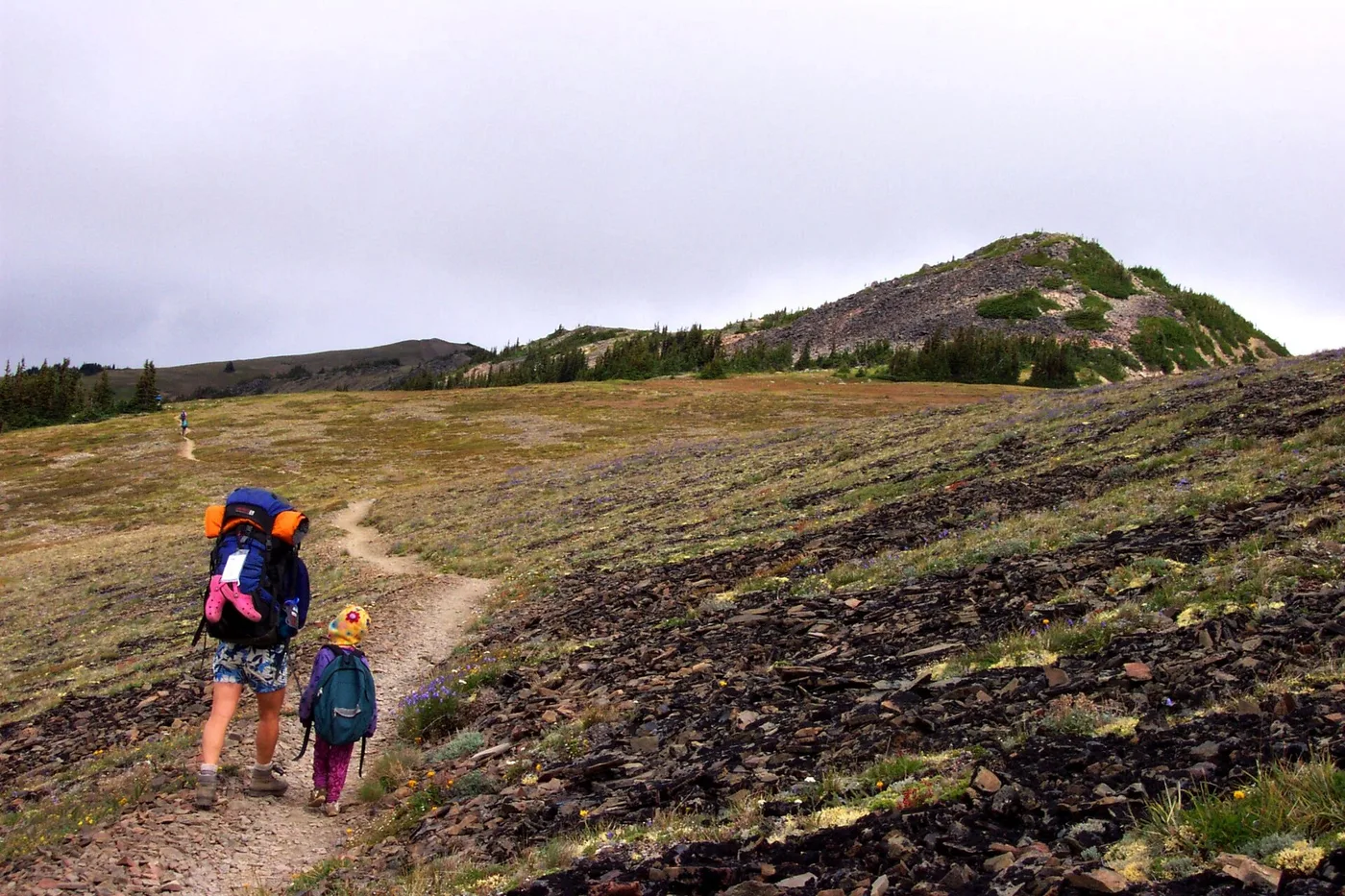
Describe the actual activities rather than just saying you are taking a holiday. Guided hiking, skiing, diving and using rented vehicles can have separate definitions, restrictions or optional cover. Ask about altitude, supervision and equipment requirements where relevant. Get the answer in writing if the listing and policy use different terminology.
Confirm destination coverage, trip duration and any restrictions connected to official travel advisories. Policies can treat already-known events differently from later unforeseen ones. When considering optional cancel-for-any-reason cover, ask about purchase deadlines, the cancellation window and the amount recoverable. It may be partial and conditional; the name should not substitute for reading the terms.
What happens if you need to make a claim?
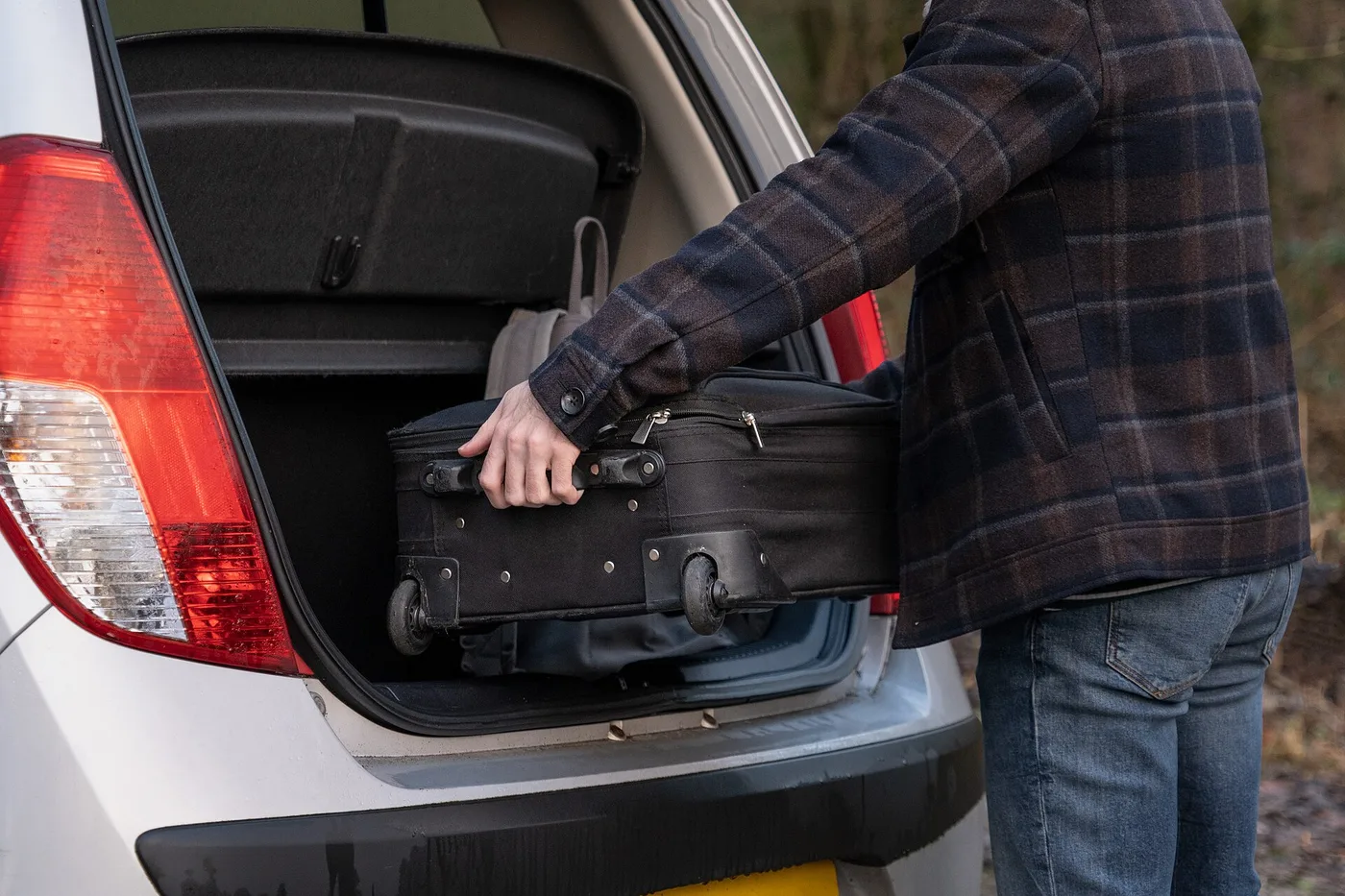
Check excesses or deductibles, benefit limits and whether limits apply per person, per item or across the entire trip. For baggage cover, compare a valuable camera or laptop with the single-item limit rather than the total headline amount. Ask how overlapping card or employer cover interacts with the policy you are considering.
Save the full wording, schedule, assistance contact and claims instructions offline. Keep booking confirmations and evidence of relevant costs. Ask whether you must first seek refunds from travel suppliers, and note notification deadlines. Compare authorized providers using the same residence, dates and declared circumstances. Skip an optional add-on that duplicates useful existing cover, but do not remove protection merely because another product has a similar label.
- Ask for the complete policy wording before purchase.
- Declare circumstances using the insurer's questions.
- Confirm medical, activity and destination restrictions in writing.
Compare your options
| Question area | What to compare | Avoid assuming |
|---|---|---|
| Cancellation | Covered causes and recoverable costs | Any change of plan qualifies |
| Medical and evacuation | Limits, assistance and destinations | Domestic healthcare travels with you |
| Activities and baggage | Definitions and individual limits | A broad headline includes everything |
MAKE THE NEXT STEP A CONSIDERED ONE
Ready to compare?
Use authoritative guidance to understand the questions to ask. Then read the policy wording, exclusions and residence-specific eligibility with the insurer before buying.
External websites. Purchases and bookings take place directly with your chosen provider.A few useful questions
Does a refundable hotel remove the need to consider insurance?
It reduces one possible financial loss but does not resolve medical expenses, other nonrefundable bookings or all disruption scenarios. Evaluate the rest of the trip separately.
Is a credit card's travel cover enough?
Ask the card provider for the exact terms, payment requirements and eligibility rules. Compare those with your itinerary and personal circumstances before deciding whether additional cover is needed.
Sources and further reading
Published provider and destination information informs this guide. Our comparisons are editorial judgments rather than reports of personal testing. Check the original source for current details.
Have a correction? Tell our editors.