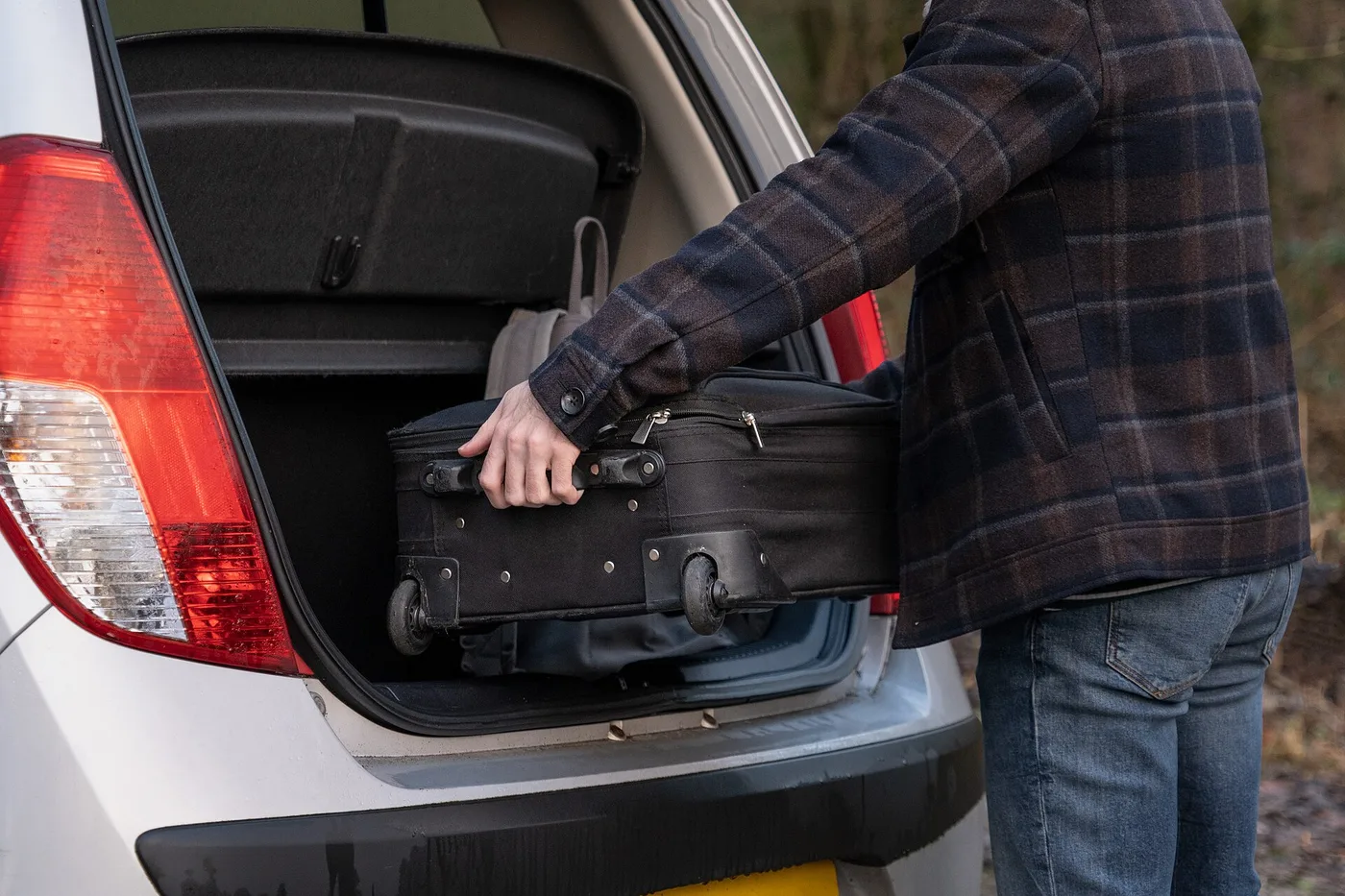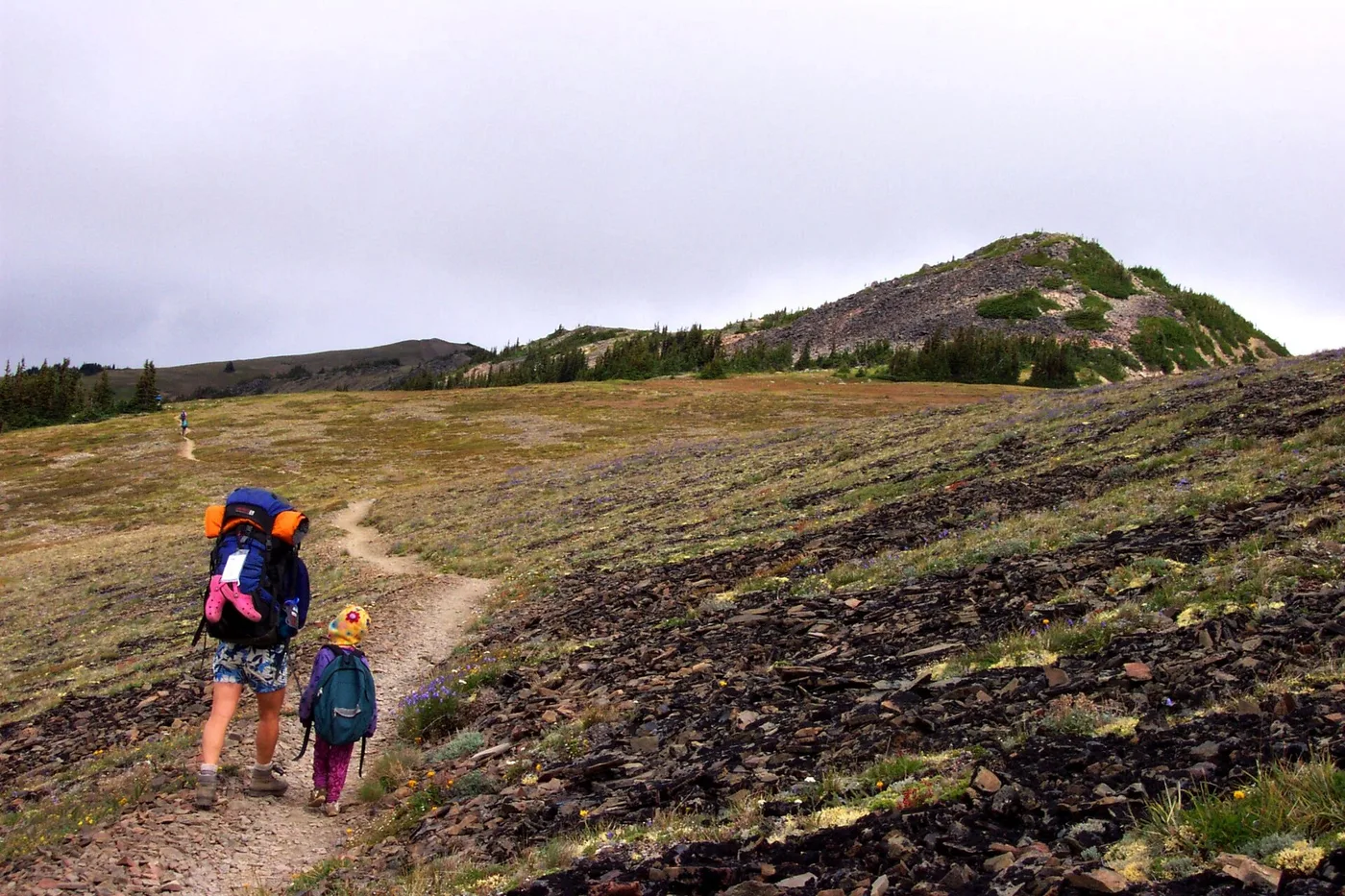
Picture a traveler leaving a hotel in the morning before an evening train. The main suitcase is in storage, but water, a rain layer, camera and a few valuables still need somewhere to go. A pack that felt fine on the airport transfer now has to be comfortable through a museum, lunch and a long walk. This is an illustrative scenario rather than a product test. It highlights the difference between a bag that holds everything and one you want to carry all day. A useful travel daypack gives its contents a sensible place without encouraging unnecessary weight. Start with that in-between day when choosing capacity, then check how the bag fits your body and the places you plan to visit.
THE SHORT VERSION
Choose the smallest daypack that comfortably carries your real daytime load, with straps you can adjust and an opening that makes essentials easy to reach. A structured pack suits heavier contents; a foldable one suits occasional light use. Skip extra capacity, compartments or security gadgets that solve no problem in your itinerary.
In this guide
Define the load before comparing liters
Put the intended contents on a table: water, layer, sunscreen, medication, phone charger and any camera equipment. Add food only if you will actually carry it. A laptop can change the choice dramatically because it needs protection and adds weight. Do not buy a larger bag merely because the trip lasts longer; the daypack serves the day, not the whole wardrobe.
Nominal capacity is a starting point, not proof of usable room. An internal sleeve, curved back panel and many small pockets can change how ordinary objects fit. Try the pack with your water bottle and jacket rather than trusting the product photograph. A narrow bottle pocket that cannot hold your existing bottle can create an unnecessary extra purchase.
Fit matters more as the day gets longer
Adjust shoulder straps with the intended load inside. Check whether the bag sits close to your back without digging into your neck or pressing on your lower back. Walk, lean forward and reach for a pocket. A sternum strap can help control movement, but it should not feel restrictive.
A padded, structured back can support a heavier camera or laptop load, while a very light foldable pack is easier to store in your suitcase. Osprey's Daylite Plus is one example of an everyday pack with additional storage; its official product details are useful for checking the actual layout. It is a comparison candidate, not a claim that we tested it or that one model fits everyone.
Match access and organization to the outing
A top-loading opening keeps the design simple, while a wider zip opening makes it easier to find a layer without pulling everything out. Consider how you retrieve the item you use most. A hidden pocket is less valuable if reaching it means removing the pack every time you need your ticket.
Keep fragile equipment away from bottles that could leak and carry medication where you can reach it. Water-resistant fabric is not the same as a guarantee that electronics stay dry in prolonged rain. Read the maker's wording and consider a separate protective pouch for important contents. Before buying an elaborate security design, ask whether a simple closed pocket and attentive handling meet your needs.
Check the places where the bag must fit
Museums and attractions can restrict backpacks or ask visitors to use lockers. Check their official visitor guidance for your major bookings. A compact pack may be easier to store, but do not assume it will be allowed into every gallery. Leave valuables and documents in a smaller pouch that can come out quickly if the pack must be checked.
If the daypack will also be your airline personal item, measure it when full against the specific carrier's allowance. Avoid stiff outer pockets that push it over the limit. Compare a new purchase with using a small bag you already own. A basic tote can be enough for a café-and-museum afternoon; support and bottle storage become more valuable when you expect to walk for hours.
- Try the pack using your actual bottle and daily contents.
- Check visitor bag rules before major attractions.
- Keep valuable contents removable in one small pouch.
Compare your options
| Style | Best fit | Compromise |
|---|---|---|
| Structured daypack | Long days with a camera or laptop | Uses more suitcase space |
| Foldable pack | Occasional light outings | Less support under heavier loads |
| Small crossbody or tote | Short urban stops | Limited load and weather protection |
MAKE THE NEXT STEP A CONSIDERED ONE
Ready to compare?
Compare the dimensions, carry comfort and packing layout with your itinerary. Check your airline allowance before buying a new bag.
External websites. Purchases and bookings take place directly with your chosen provider.A few useful questions
Should I choose a laptop sleeve?
Only if you intend to carry a laptop or a similar item that benefits from it. Otherwise the sleeve may consume room without improving the day's comfort.
Is a rain cover essential?
It depends on the weather and contents. Check the bag's protection claims and consider a waterproof inner pouch for vulnerable items; a cover does not make every opening watertight.
Sources and further reading
Published provider and destination information informs this guide. Our comparisons are editorial judgments rather than reports of personal testing. Check the original source for current details.
Have a correction? Tell our editors.