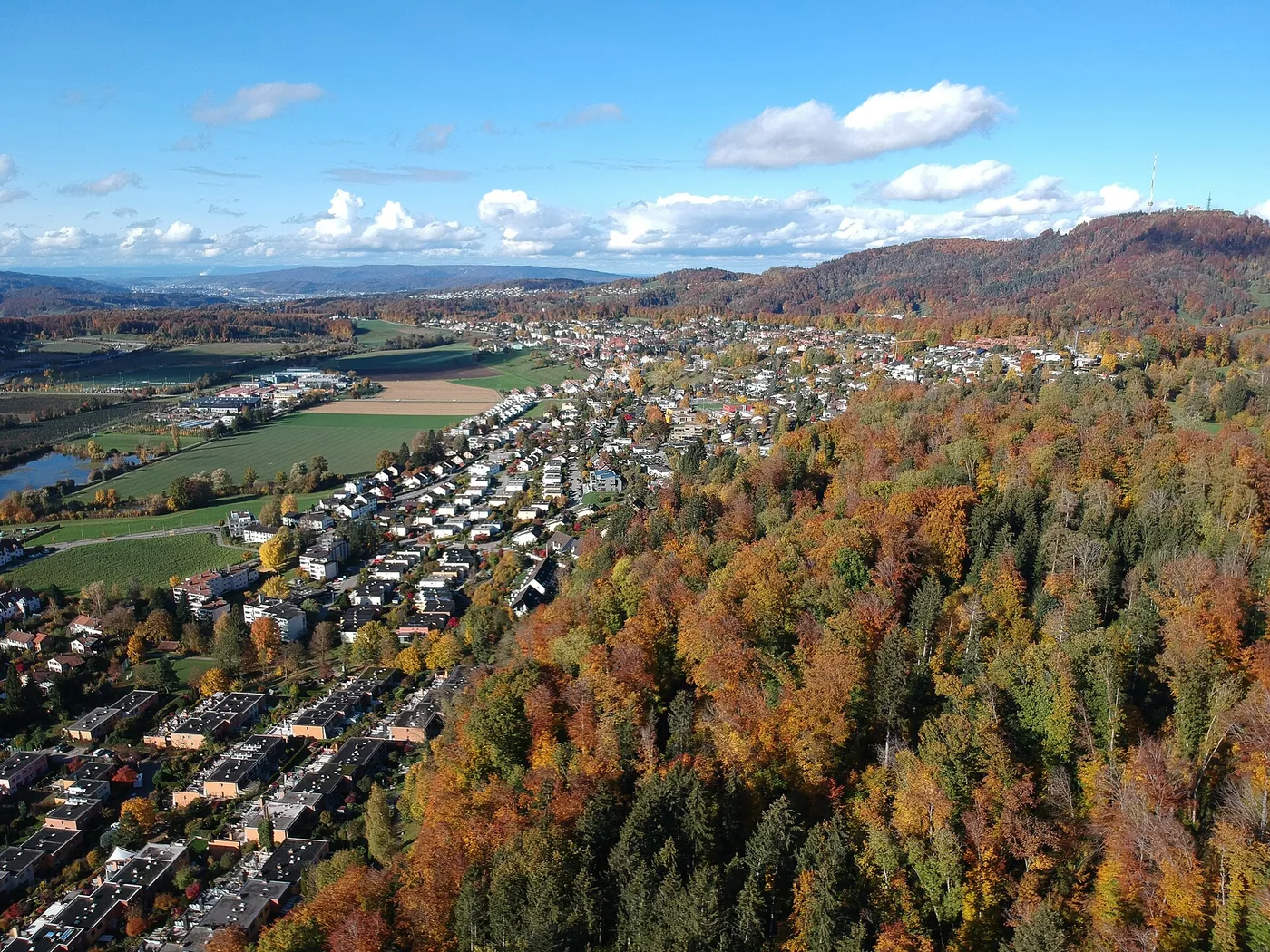
Picture an autumn mountain break advertised at a lower room rate than summer. The photographs show a terrace, a scenic lift and a lakeside restaurant, all exactly what you want. Then you discover that the lift has its own operating calendar and the restaurant may take a seasonal break. This is a hypothetical booking situation, not an account of a particular hotel. It shows why shoulder-season value depends on more than the accommodation bill. A quiet resort can be wonderful when the quieter version is what you want, but frustrating when the trip depends on services that are unavailable. Build a short list of essential experiences first, then compare dates when those experiences and the transport needed to reach them actually operate.
THE SHORT VERSION
Choose shoulder season for quieter streets, adaptable plans and experiences confirmed for your dates. Verify transport and facilities before paying for a nonrefundable stay. Skip a discounted remote resort if its main attraction is closed or if backup activities require costly transfers that erase the saving.
In this guide
Check the calendar of each essential experience
Write down what would make the trip worthwhile: a particular boat ride, walking route, restaurant or lift journey. Check the official operator's dates for each item. The accommodation's open calendar does not confirm everything nearby is open, and a broad seasonal destination guide cannot replace an attraction's operating information.
Switzerland Tourism provides autumn inspiration and separate resources for mountain-area operating information. Use inspiration to find ideas, then follow through to the specific operator. If a lift is central to your plan, ask about scheduled maintenance and alternatives. Do not buy a room because the photograph shows a mountain terrace unless the route to that terrace works during your stay.
Compare travel frequency, not just travel availability
A route may operate in shoulder season with fewer departures. Look at the exact timetable for your dates, including the journey back. A cheap hotel farther from the center becomes less convenient if the last bus leaves before dinner. Ask how guests arrive if their flight lands after the usual connection.
For an island or rural stay, consider what happens if the preferred connection is canceled. Keep enough time to protect the flight home and budget for the fallback you could actually use. Compare a more central property with a remote bargain after adding transfers. Saving on the nightly rate is useful only if it does not force you to buy transport repeatedly.
Buy the facilities that will be available
Request confirmation of pool, spa, dining and reception hours. Some facilities operate on a different calendar from guest rooms, and indoor alternatives can need reservations. If the promise of the trip is time by a pool, establish which pool remains open and whether the conditions suit how you want to use it.
Room comfort also matters when evenings are cooler or wetter. Ask about heating, sheltered common areas and somewhere to dry outerwear. A small property with a beautiful summer terrace may offer little shared space during a rainy stay. Read recent comments for practical clues, then put important questions directly to the property; reviews do not guarantee your dates have the same arrangements.
Keep flexibility where weather changes the value
Compare a cancellable stay with a cheaper fixed booking when the trip revolves around outdoor activities. Read the actual deadline and fee rather than treating flexible as unlimited. A weather forecast you dislike may not qualify under an activity's cancellation policy, so keep unbooked time for alternatives.
Pack layers you can reuse instead of buying specialist clothing for a short trip. Plan one indoor or low-weather-dependence option you would genuinely enjoy, not a token backup. Skip shoulder season when your only reason for visiting is a weather-sensitive experience with little chance to reschedule. It can still be excellent value for a city break focused on museums, cafés and a comfortable neighborhood base.
- Check operating dates for your main attraction.
- Compare the last daily return connection.
- Confirm hotel facilities for the exact stay dates.
Compare your options
| Trip style | Potential benefit | Watch for |
|---|---|---|
| City break | Quieter sightseeing and rate choice | Reduced attraction hours |
| Mountain stay | Seasonal scenery and calm villages | Lift maintenance and changeable weather |
| Island holiday | Less crowded accommodation | Limited ferries and closed dining |
MAKE THE NEXT STEP A CONSIDERED ONE
Ready to compare?
Check the live listing, inclusions, total price and cancellation terms with the provider. A clear fit matters more than a tempting headline price.
External websites. Purchases and bookings take place directly with your chosen provider.A few useful questions
Does shoulder season always mean cheaper travel?
No. Compare the complete itinerary on your actual dates. School breaks, events, limited transport and facility closures can change both cost and value.
Should I book all activities in advance?
Reserve the essential experiences with suitable terms, but leave some room for conditions and confirmed local availability. A fully prepaid outdoor schedule can remove the flexibility that makes the season work.
Sources and further reading
Published provider and destination information informs this guide. Our comparisons are editorial judgments rather than reports of personal testing. Check the original source for current details.
Have a correction? Tell our editors.