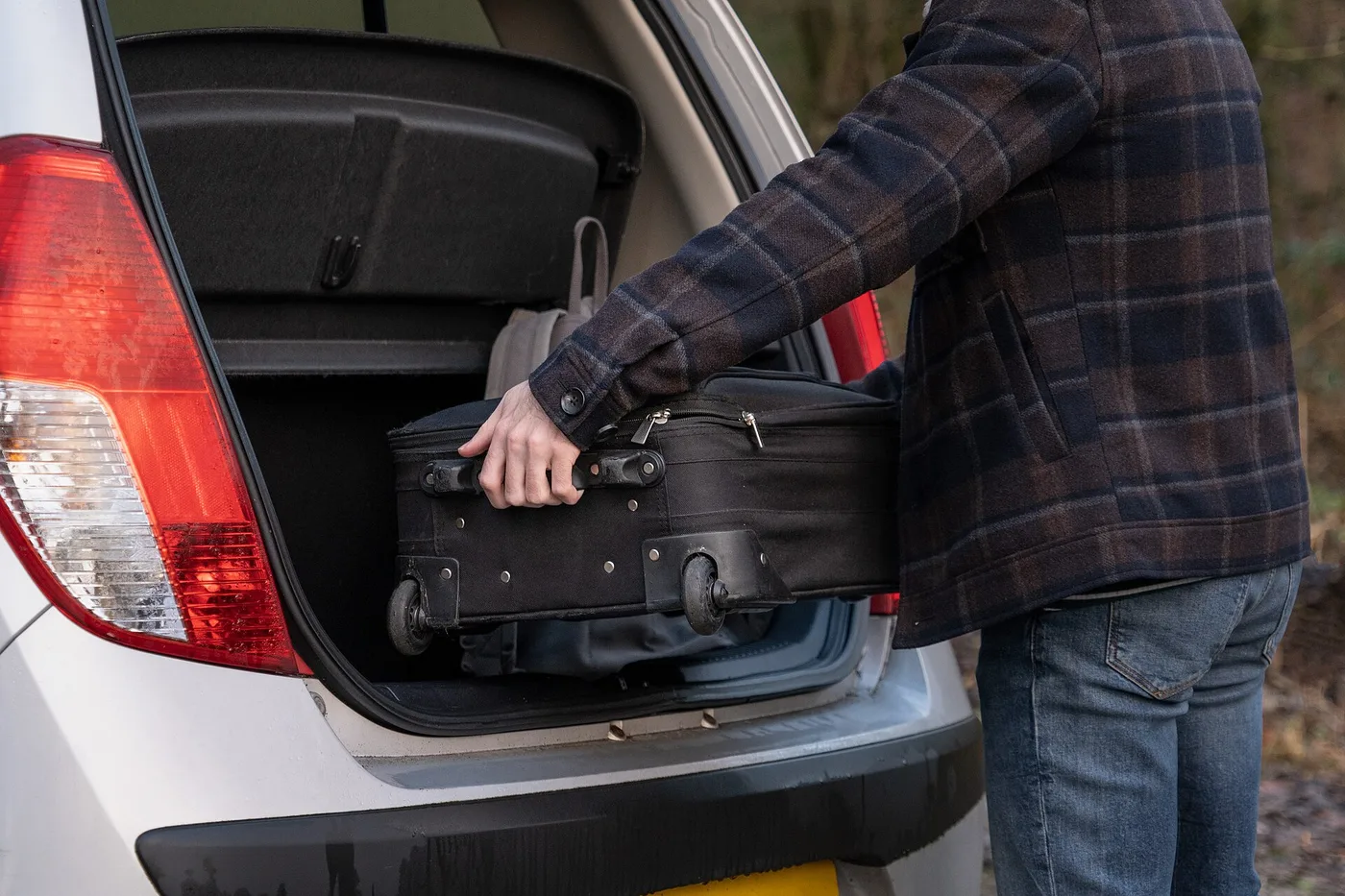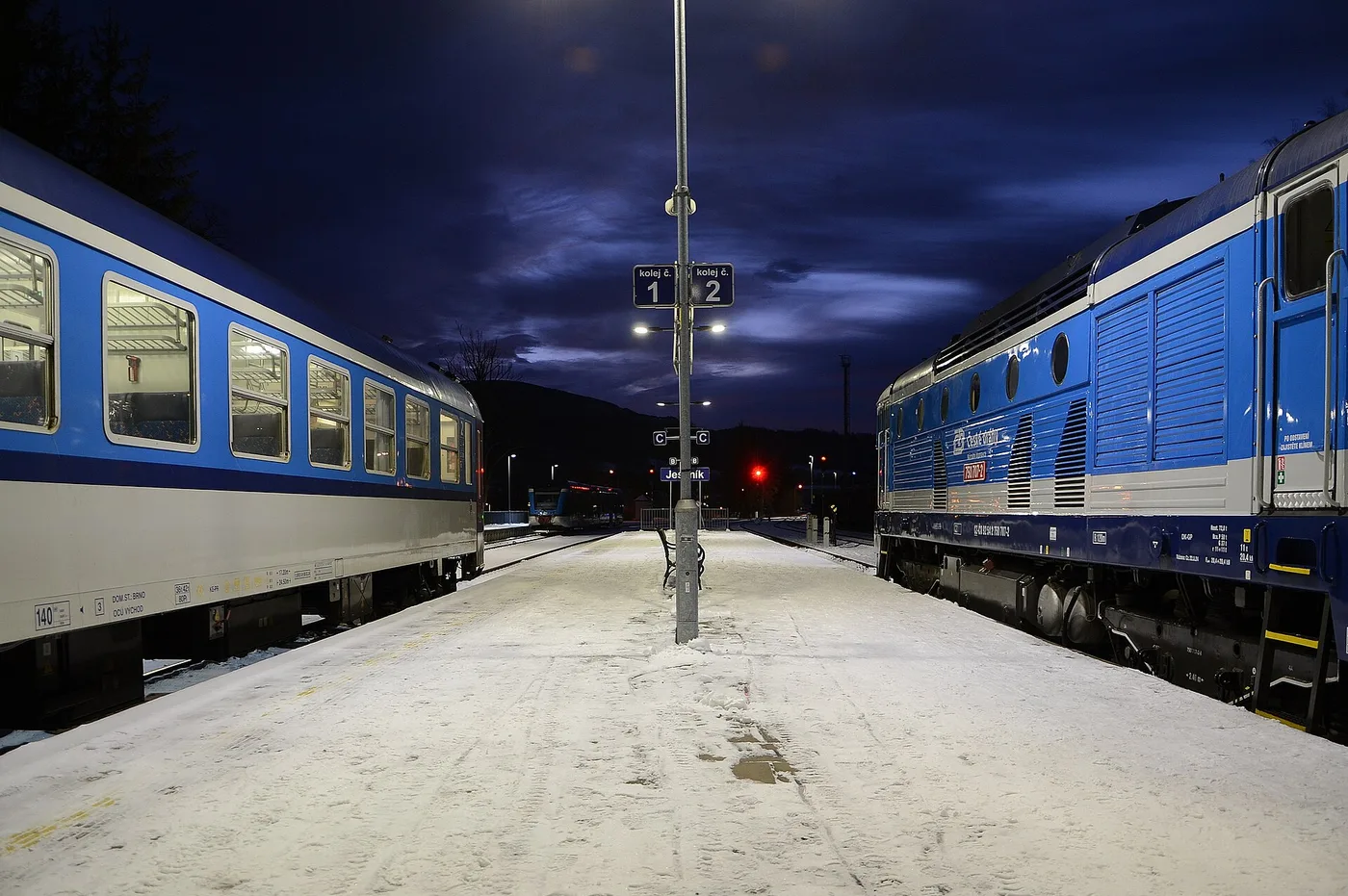
Imagine a week in Europe split between two cities and a countryside stay. The city hotels are close to stations, but the country accommodation is beyond a convenient local connection. A car seems to promise freedom, while a rail itinerary removes the driving. This example is hypothetical, rather than a description of a route we have personally traveled. It shows why the best transport decision may change during the trip. Paying for a car to sit in a city garage can make little sense, just as a series of awkward transfers can undermine a rural holiday. Mark the days you will actually need a vehicle, then compare them with a rail plan that includes the final distance from station to accommodation.
THE SHORT VERSION
Use trains for straightforward city connections and consider a short rental for rural days that need it. Compare full costs and practical access rather than daily headline prices. Skip a week-long car booking when most days are spent walking, and skip a rail-only plan that depends on unconfirmed rural transfers.
In this guide
Map the door-to-door journeys
Mark accommodation addresses, stations and the places you hope to visit. A rail trip begins before boarding and ends after leaving the platform, so include local transfers and luggage handling. Check the number of changes and whether your group can manage bags comfortably through them.
For a car, map parking and access as carefully as the road route. A central hotel may have limited parking, a distant garage or restrictions around its street. Ask the property where arrivals should stop and where the vehicle can remain. Rural freedom is useful only when the destinations you want are actually accessible by the vehicle and local roads you are comfortable driving.
Compare complete costs on both sides
A rental quote needs fuel or charging, parking, tolls, one-way charges, additional drivers and protection terms beside it. Check the deposit and accepted payment method as well as the amount ultimately charged. A temporary card hold can matter to the rest of the trip even when it is not a final expense.
For rail, add seat reservations where required and any transfer that completes the journey. Compare tickets with the flexibility you need. SBB explains that its Supersaver Tickets are tied to the selected connection; the lowest fare may be unsuitable directly after an uncertain flight arrival. Do not treat all tickets displayed for the same route as equivalent purchases.
Read the rental conditions before choosing a route
Confirm license requirements, driver eligibility and any restrictions on taking the car across borders. Enterprise's European guidance notes that international one-way policies can vary between countries and may involve extra fees. A route crossing a border therefore needs permission and a quote for that actual arrangement, not an assumption based on open roads.
If more than one person will drive, establish the local additional-driver rules and fees. Enterprise's U.S. guidance requires authorized additional drivers to meet the relevant conditions; rules elsewhere may differ. For an electric car, ask about charging arrangements and return requirements. For any car, check pickup hours, after-hours return procedures and the category's likely luggage space.
Consider a split arrangement
A city-to-city rail journey followed by a shorter car rental can combine the benefits of both. Collect the vehicle when leaving the city, then return it before the final urban stay. Check whether those locations permit a practical one-way booking and whether the shorter rental changes the daily rate or minimum charge.
A final taxi or prebooked transfer from a rural station can also remove the need for a rental entirely. Request a real quote and availability before deciding. Groups should discuss who wants to drive and who would rather relax; the driver's time and attention are part of the cost. Choose the arrangement that supports the holiday, even if it does not fit a single transport category.
- Confirm accommodation parking before renting.
- Compare ticket flexibility with arrival uncertainty.
- Get cross-border and one-way permission in writing.
Compare your options
| Plan | Best fit | Main extra to check |
|---|---|---|
| Rail throughout | Station-friendly cities | Final transfers and reservations |
| Rental throughout | Frequent rural stops | Parking, driver rules and deposits |
| Rail plus short rental | Mixed urban and countryside days | Collection and return logistics |
MAKE THE NEXT STEP A CONSIDERED ONE
Ready to compare?
Check the live listing, inclusions, total price and cancellation terms with the provider. A clear fit matters more than a tempting headline price.
External websites. Purchases and bookings take place directly with your chosen provider.A few useful questions
Is a car usually cheaper for a group?
It can be, but compare all charges and realistic luggage capacity with the group's rail fares. Parking, protection, fuel and additional-driver costs can change the result.
Should I buy the cheapest train ticket after a flight?
Only if its conditions suit the connection risk. A fare tied to one departure can cost more overall if a delayed arrival requires another purchase.
Sources and further reading
Published provider and destination information informs this guide. Our comparisons are editorial judgments rather than reports of personal testing. Check the original source for current details.
- SBB: Supersaver Ticket conditions ↗
- Enterprise: Europe rental guidance ↗
- Enterprise: additional drivers ↗
Have a correction? Tell our editors.