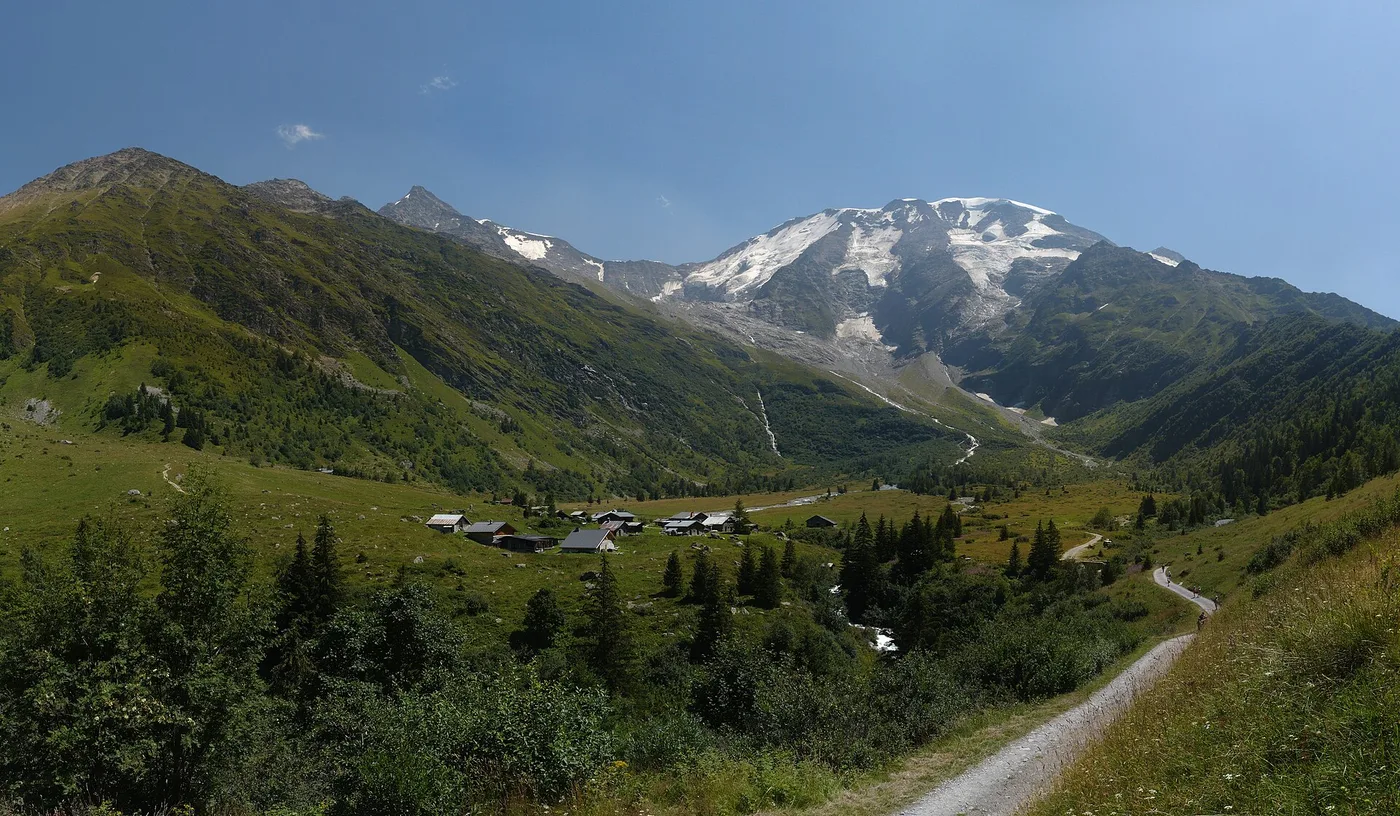
Imagine booking a lodge for crisp walks and long dinners, then arriving to learn that the lift connecting your village to the trail network is taking a maintenance break. The room may be lovely, yet the plan you built around it no longer works. Mountain shoulder seasons reward travelers who enjoy quiet surroundings and flexible days, but the discount needs to be assessed alongside what remains available. The most useful question is not whether the hotel is open. It is whether the version of the trip you want can function during those specific dates. Check access, dining and lower-elevation alternatives before falling for a fireplace photograph. A village base with a dependable connection can offer more freedom than an isolated lodge with a dramatic view.
THE SHORT VERSION
Book the quieter season when you value the setting even if higher trails or lifts are unavailable. Confirm exact access and operating dates before choosing a nonrefundable room. Spend on flexibility and a usable base before buying an extensive mountain pass, and keep a lower-elevation day that you would happily take.
In this guide
Separate hotel opening from mountain access
List every connection you need: the train to the valley, a bus to the village and any cable car required to reach the lodge or your planned walk. Check each operator's date-specific timetable. An open hotel does not establish that all surrounding services operate, and a familiar summer route may not be available in spring or late autumn.
Jungfrau's live operating page reports the status of mountain railways and public transport. Its travel-pass guidance also directs passengers to current operating times and warns about maintenance interruptions. Use the actual transport operator rather than a general destination photograph to decide whether your route is viable.
Ask the lodge about an ordinary quiet-season evening
Find out whether the restaurant serves every night, whether reservations are required and which other food options are reachable. If you need to drive to dinner, include that in the appeal of a secluded stay. A half-board rate can be useful where alternatives are limited, but inspect its meal times and dietary suitability first.
Check which facilities operate: spa, pool, reception hours, luggage storage and local transfers. A package mentioning wellness access may still have specific opening times. Ask for the inclusions applying to your dates, not the full-season brochure, and save the response with your booking confirmation.
Make the weather alternative worth doing
Plan one village walk, one indoor visit and a relaxed meal you would enjoy without the summit view. A lodge stay is more resilient when poor visibility does not erase its purpose. Choose a valley town if your alternative days require shops, museums or frequent rail access.
Do not convert uncertain conditions into an ambitious hiking promise. Check local trail information, closures and forecasts near departure, and choose routes suited to your experience and equipment. Early snow, rain or ice can change a straightforward-looking walk. A guide may be useful for an appropriate route, but booking one does not make every plan possible.
Buy mountain transport after checking its usefulness
Count the journeys you can realistically take during the stay, then compare individual tickets with a pass. Include the dates on which each service operates and any separate supplement. A broad pass has little value if your preferred lifts are closed or you intend to spend most afternoons by the lodge.
Keep sightseeing tickets flexible when your main goal depends on visibility. Check the rules before assuming an unused ticket can be refunded or moved. A discounted advance purchase may be sensible for a necessary transport leg, while a discretionary viewing trip deserves a different decision.
Choose warmth and practical storage over a dramatic label
For a walking stay, ask about drying space, boot storage, heating and the distance from the drop-off point. A room with a usable balcony may matter less in unsettled weather than a comfortable chair indoors. If you are carrying large luggage, confirm whether access involves steps or a steep lane.
Compare a shorter flexible lodge booking with a longer fixed package. The former may cost more per night yet allow you to adjust around conditions. The latter suits travelers content to settle in regardless of the view. Decide which traveler you are before letting the lower nightly rate dictate the entire holiday.
Compare your options
| Choice | Likely advantage | Potential limitation |
|---|---|---|
| Valley-town hotel | Dining and transport alternatives | Less secluded setting |
| Remote lodge | Quiet surroundings and a settled pace | Dependence on access and on-site meals |
| Mountain pass | Several confirmed transport outings | Poor value when key services are unavailable |
MAKE THE NEXT STEP A CONSIDERED ONE
Ready to compare?
Check the live listing, inclusions, total price and cancellation terms with the provider. A clear fit matters more than a tempting headline price.
External websites. Purchases and bookings take place directly with your chosen provider.A few useful questions
Is shoulder season a fixed month in the mountains?
No. It depends on the region, altitude and operator. Check your exact dates rather than applying one destination's calendar to another.
Should I reserve all excursions in advance?
Secure essential access, but consider flexible arrangements for weather-dependent outings. Read the change terms and check current local conditions before setting off.
Sources and further reading
Published provider and destination information informs this guide. Our comparisons are editorial judgments rather than reports of personal testing. Check the original source for current details.
- Jungfrau: live operating information ↗
- Jungfrau Travel Pass: validity and operating guidance ↗
- Switzerland Tourism: autumn travel ideas ↗
Have a correction? Tell our editors.