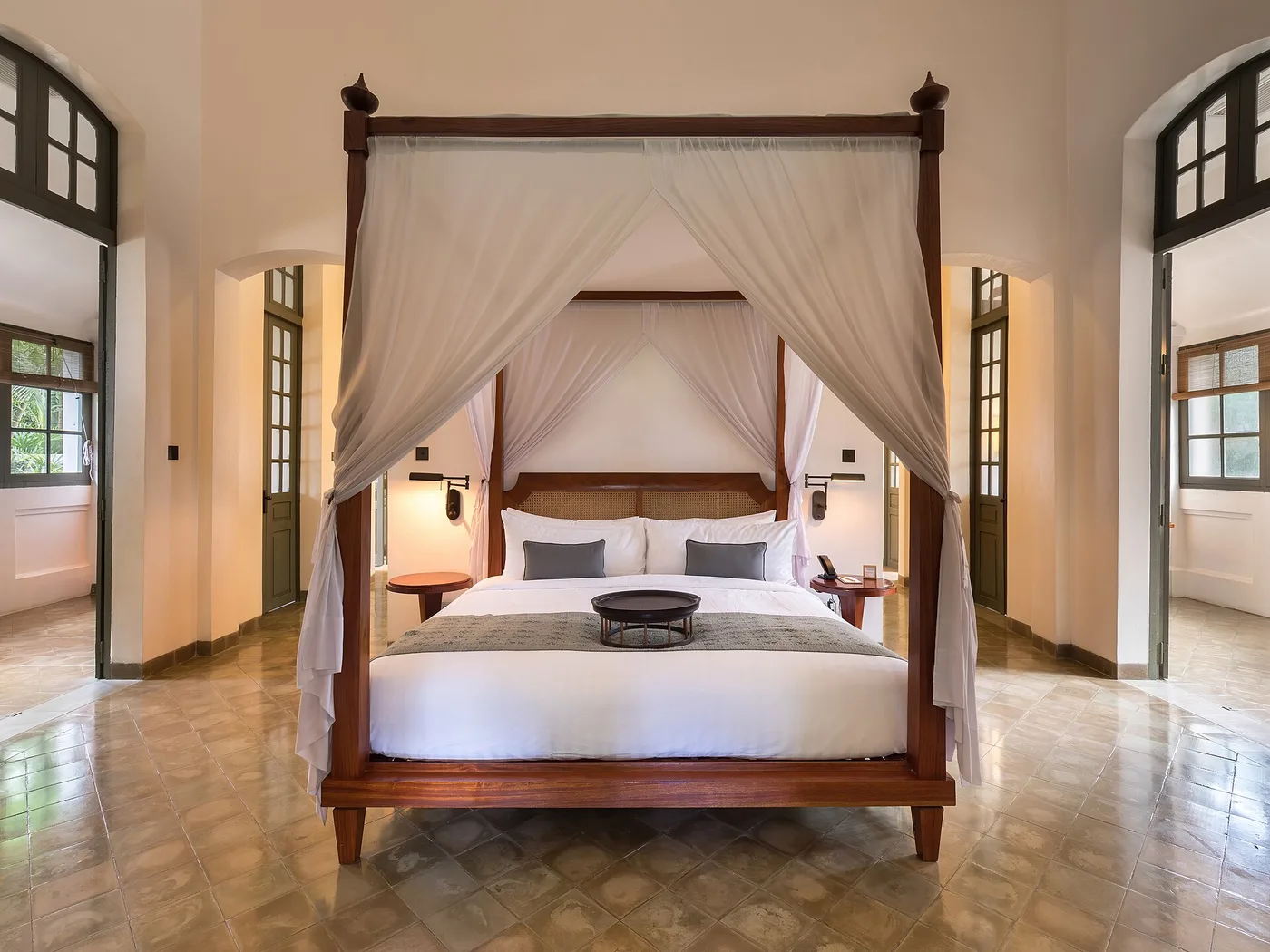
Picture a Japan itinerary with long city walks, an early train and one evening you hope to spend somewhere slower. A ryokan photograph shows a peaceful room and a beautifully presented meal, while a city hotel offers a familiar bed and an easy station walk. In this imagined booking decision, neither format is automatically better. The useful question is what you want the accommodation to do: support days outside, or become an experience in its own right? A traditional inn can be worth a deliberate splurge when you allow time for it. A practical hotel can be the smarter choice when your schedule leaves little room to enjoy meals, bathing or the rhythm of the stay.
THE SHORT VERSION
Choose a ryokan for a planned period of rest with confirmed meals and suitable room arrangements. Choose a city hotel for late arrivals, early trains and sightseeing-heavy days. A mixed itinerary often works well: several practical nights and one thoughtfully selected inn stay that you actually have time to enjoy.
In this guide
Compare the whole evening, not just the bedroom
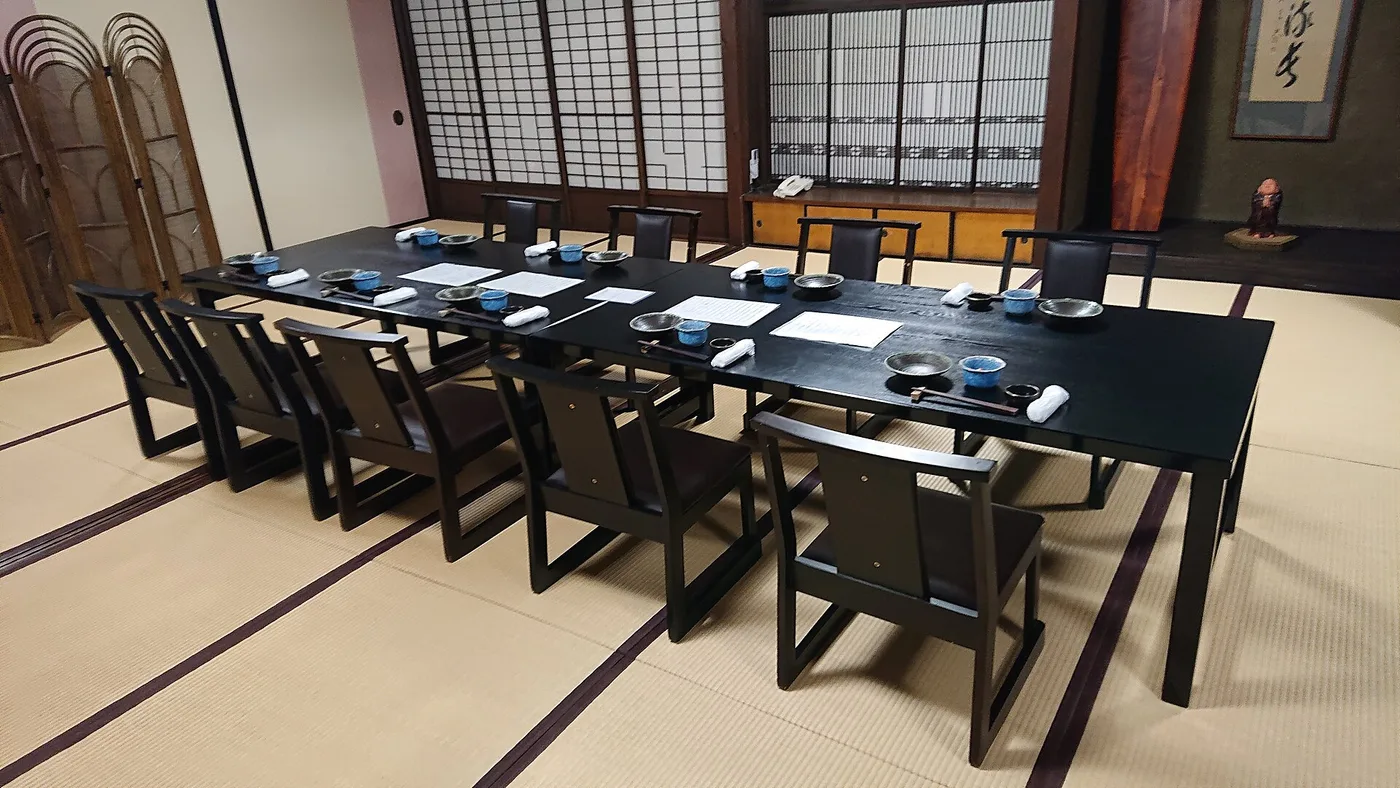
JNTO's ryokan guide describes traditional inns through their rooms, meals and etiquette. Properties vary, so read the individual booking carefully. Some offer meal-inclusive packages and fixed dining times, while others have different formats. A room-only booking should not be assumed to include the elaborate dinner shown in the gallery.
If dinner is part of the attraction, schedule arrival comfortably before the property's requested time. Ask when the meal begins and what happens after a delay. Travelers arriving on a late flight should consider a practical first-night hotel rather than paying for an inn experience they may partially miss.
Ask about the bed and the bathroom
Traditional futon arrangements and floor seating can be appealing, but they need to suit everyone's comfort and mobility. Some inns offer western beds or mixed room styles. Confirm the exact room configuration, private toilet, shower and bathing facilities instead of treating the word ryokan as a complete description.
A photograph of an outdoor bath may depict a shared facility rather than the bath attached to your room. Ask whether private bathing requires a separate reservation or fee. If getting down to floor level is difficult, a clearly specified bed-and-chair arrangement may matter more than the most traditional-looking category.
Decide how much bathing matters
Read the property's bathing instructions, hours and relevant rules before choosing it for that feature. JNTO provides etiquette guidance; the property's own rules determine details such as private-use arrangements and policies visitors should check. Do not assume every ryokan is an onsen property or that every room has a private hot-spring bath.
If communal bathing is not comfortable for you, compare private options without feeling obliged to buy the most expensive suite. A reservable private bath may meet your needs. Travelers uninterested in bathing can still enjoy an inn, but should question a premium largely driven by facilities they will not use.
Resolve meal requirements before payment
Tell the property about dietary requirements and ask what can actually be accommodated. A vague note at checkout may not be enough for a meal prepared around a fixed menu. Confirm whether adaptations are possible, whether children receive a different meal and whether breakfast timing fits the next day's journey.
Compare a meal-inclusive package with a hotel plus meals you would otherwise buy. The inn's dinner is an experience as well as food, but only if it matches your interests. Those who want spontaneous restaurant choices every night may prefer a city hotel and an independent dining plan.
Use the inn as a pause within the route
An inn away from a main station can introduce a transfer or shuttle requirement. Check the actual access instructions and last practical arrival connection, especially with larger bags. Avoid inserting a distant property between two busy sightseeing days unless the journey itself makes sense.
A single overnight can work when you arrive early enough and leave without rushing breakfast. Two nights may appeal if you want a genuinely slower portion of the trip, but compare meal variation and nearby options. Buy the stay for the hours you will spend there, rather than as another location to collect.
Compare your options
| Format | Best fit | Important check |
|---|---|---|
| Meal-inclusive ryokan | Rest and an accommodation-centered evening | Arrival time and dietary needs |
| City hotel | Long sightseeing days and rail convenience | Room size and station access |
| Mixed itinerary | Practical days plus one slower stay | Transfers between accommodation types |
MAKE THE NEXT STEP A CONSIDERED ONE
Ready to compare?
Check the live listing, inclusions, total price and cancellation terms with the provider. A clear fit matters more than a tempting headline price.
External websites. Purchases and bookings take place directly with your chosen provider.A few useful questions
Does every ryokan include dinner?
No. The selected rate and property determine meal inclusions. Read the booking conditions and confirm the dining format before paying.
Should I book a ryokan for every night?
Only if its pace suits the whole trip. For a city-heavy itinerary, a shorter inn stay can provide the experience without constraining every dinner and arrival time.
Sources and further reading
Published provider and destination information informs this guide. Our comparisons are editorial judgments rather than reports of personal testing. Check the original source for current details.
Have a correction? Tell our editors.