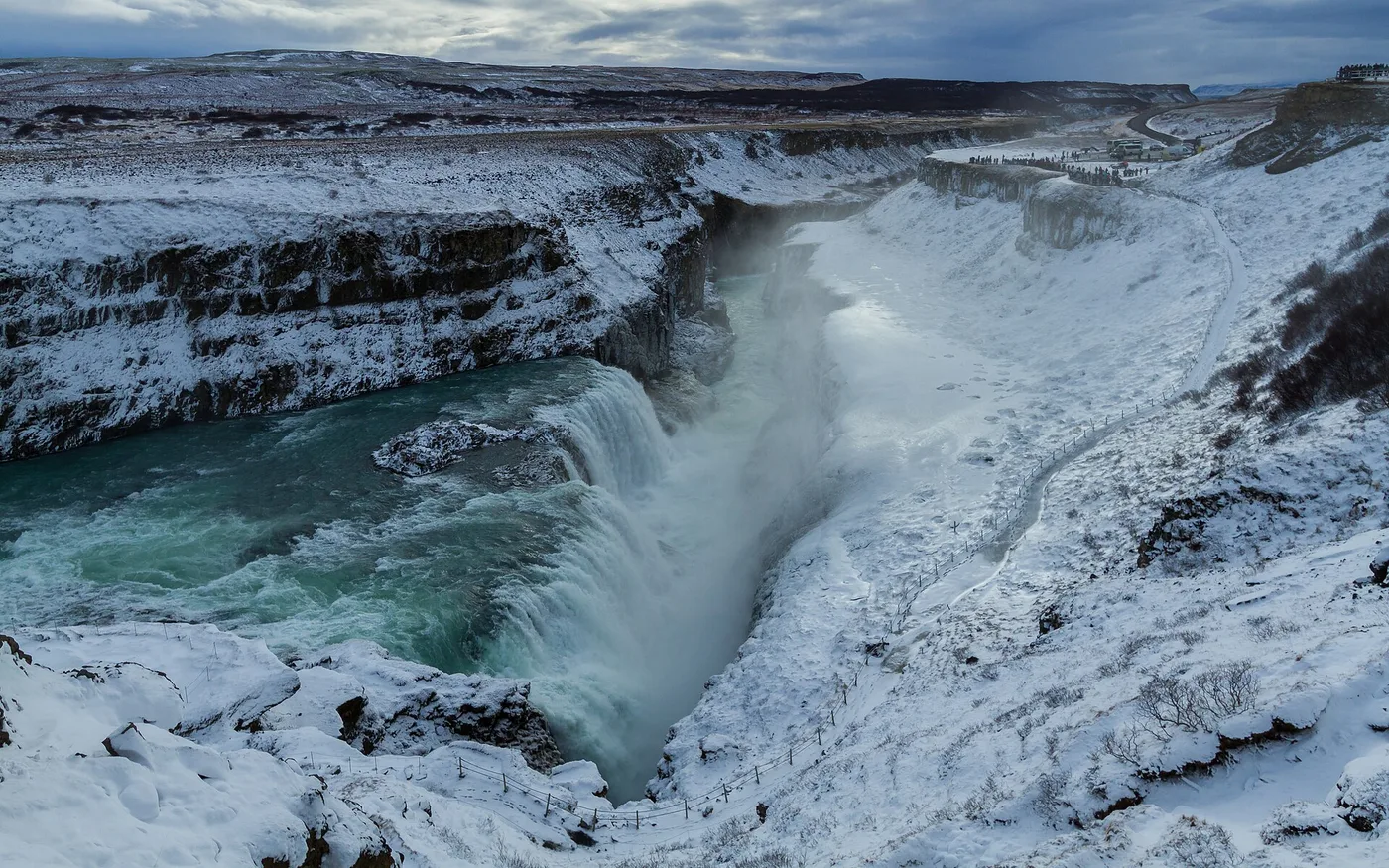
Picture an Iceland morning when the waterfall you planned to visit is still on the map, but the wind changes the sensible route and the next room is several hours away. In this imagined road trip, the problem is not a shortage of sights. It is a schedule that leaves no room to reconsider a drive. A good plan purchases flexibility before extras: a suitable vehicle, manageable daily distances and accommodation that does not force constant long transfers. The scenery is the attraction, yet booking decisions determine how comfortably you can respond to it. Use current official road and weather information, and let a shorter, workable itinerary beat an ambitious circuit that depends on everything going exactly as expected.
THE SHORT VERSION
Choose the route first and the vehicle second, with spare time before the departure flight. Read rental exclusions and current official conditions rather than assuming a larger vehicle makes every road suitable. Skip a full-country circuit when the available days require persistent long drives.
In this guide
Plan a region before planning a circuit
For a shorter holiday, a regional itinerary can provide more stopping time than a complete loop. Begin with the nights available, your arrival and departure times, and the kinds of stops you want. Driving hours should account for breaks and the possibility that a scenic stop takes longer than expected.
Visit Iceland emphasizes checking road and weather conditions before driving. Use that as a planning principle, not merely a check performed once before departure. Leave at least one adjustable portion of the itinerary, and avoid placing the longest drive immediately after an overnight flight when you may be tired.
Rent for the roads you intend to use
A car chosen for paved main-road travel may be a different proposition from one chosen for permitted highland routes. Check the rental company's road restrictions, seasonal rules and required vehicle type for every intended route. A four-wheel-drive badge does not override closures or the rental agreement.
Compare luggage space, driver requirements, pickup hours, fuel policy and the security deposit. Ask what happens if your flight arrives after the desk closes. Paying for a larger vehicle simply because it looks adventurous is poor value if the route does not require it, while choosing an unsuitable bargain can limit the entire trip.
Read the exclusions beside the excess
Rental protection products can differ in their treatment of gravel, sand, wind-related damage, tires, glass and other risks. Read the policy wording and exclusions rather than relying on a reassuring product name. If another travel policy or card benefit is involved, check how it interacts with the rental and how claims work.
Photograph the vehicle at collection, follow the company's reporting instructions and keep emergency contacts accessible. Ask questions before signing if the excess or deposit is unclear. These are purchasing checks, not a promise that any particular protection covers every incident; the actual agreement determines the cover.
Book an excursion where specialist access adds value
Some travelers want a guided activity rather than independent driving for every experience. Compare a tour through its actual route, equipment, group size, physical requirements and cancellation policy. A specialist excursion can be worthwhile when it supplies skills or permitted access that you cannot responsibly replicate yourself.
Do not add a distant departure point merely to fill an empty afternoon. Match the tour to the accommodation sequence and leave a weather contingency. Travelers who prefer gentle walking and photography may get more enjoyment from an ordinary accessible stop than from an intensive activity marketed through dramatic pictures.
Use lodging to create breathing room
Two nights in one suitable area can reduce packing and let you switch outdoor plans between days. Compare room availability and meal options as well as the map position. A property without nearby dining may be perfectly pleasant, but it requires forethought about dinner and arrival time.
Read flexible-rate deadlines and keep the final night within a sensible journey of departure. Check road information from the Icelandic Road and Coastal Administration and alerts from SafeTravel before setting out. If official advice makes a drive unsuitable, changing the plan is the right use of the buffer you deliberately bought.
Compare your options
| Purchase | Good fit | Key limitation |
|---|---|---|
| Regional self-drive | Independent stops and manageable distances | Driver must continually reassess conditions |
| Guided day excursion | Specialist activity or less driving | Fixed meeting time and route |
| Flexible accommodation | Uncertain plans and weather buffer | Cancellation deadlines still apply |
MAKE THE NEXT STEP A CONSIDERED ONE
Ready to compare?
Check the live listing, inclusions, total price and cancellation terms with the provider. A clear fit matters more than a tempting headline price.
External websites. Purchases and bookings take place directly with your chosen provider.A few useful questions
Is a larger rental vehicle always safer?
No vehicle removes the need to follow conditions, closures and the rental agreement. Choose a suitable vehicle for permitted roads and avoid driving when official advice or conditions make the route unsuitable.
Should I prebook every night?
Book necessary accommodation, especially where alternatives are limited, but choose terms and distances that leave flexibility. A plan with no room to adjust is vulnerable to disrupted travel.
Sources and further reading
Published provider and destination information informs this guide. Our comparisons are editorial judgments rather than reports of personal testing. Check the original source for current details.
Have a correction? Tell our editors.