Imagine arriving in Kyoto on Friday afternoon with a small suitcase, two full days and a list of temples longer than your available daylight. The tempting response is to book a distant bargain hotel and squeeze every landmark into the schedule. A calmer plan begins with a different question: where would you like to walk after breakfast, and how easily can you return when your feet need a rest? This is a planning scenario rather than a report of a personal trip. For a short visit, the best purchases usually reduce friction: a well-positioned room, one experience with a clear start time and comfortable shoes you already trust. Leave the remaining hours open enough for tea, weather and ordinary neighborhood life.
THE SHORT VERSION
Choose a central base that suits your arrival route, then reserve one meaningful experience rather than a chain of timed appointments. A Kyoto Station hotel favors luggage and onward travel; an eastern base favors evening walks. Skip a premium room if its location adds transfers to both sightseeing days.
In this guide
Let the home base decide the first walk
Kyoto Station makes sense when you arrive by rail and leave early, especially with larger bags. Downtown around the Sanjo and Shijo areas can suit travelers who want restaurants and several transport options close together. An eastern address may place an appealing walking area nearby, but the exact street and nearest station matter more than the district label.
Compare three candidate hotels on a map before comparing decor. Trace the route from your arrival station, the walk to breakfast and the evening return from dinner. Ask whether luggage storage is available before check-in and whether your room faces a busy street. A compact room in the right place can be a better purchase than a large room you seldom reach.
Give eastern Kyoto one unhurried day
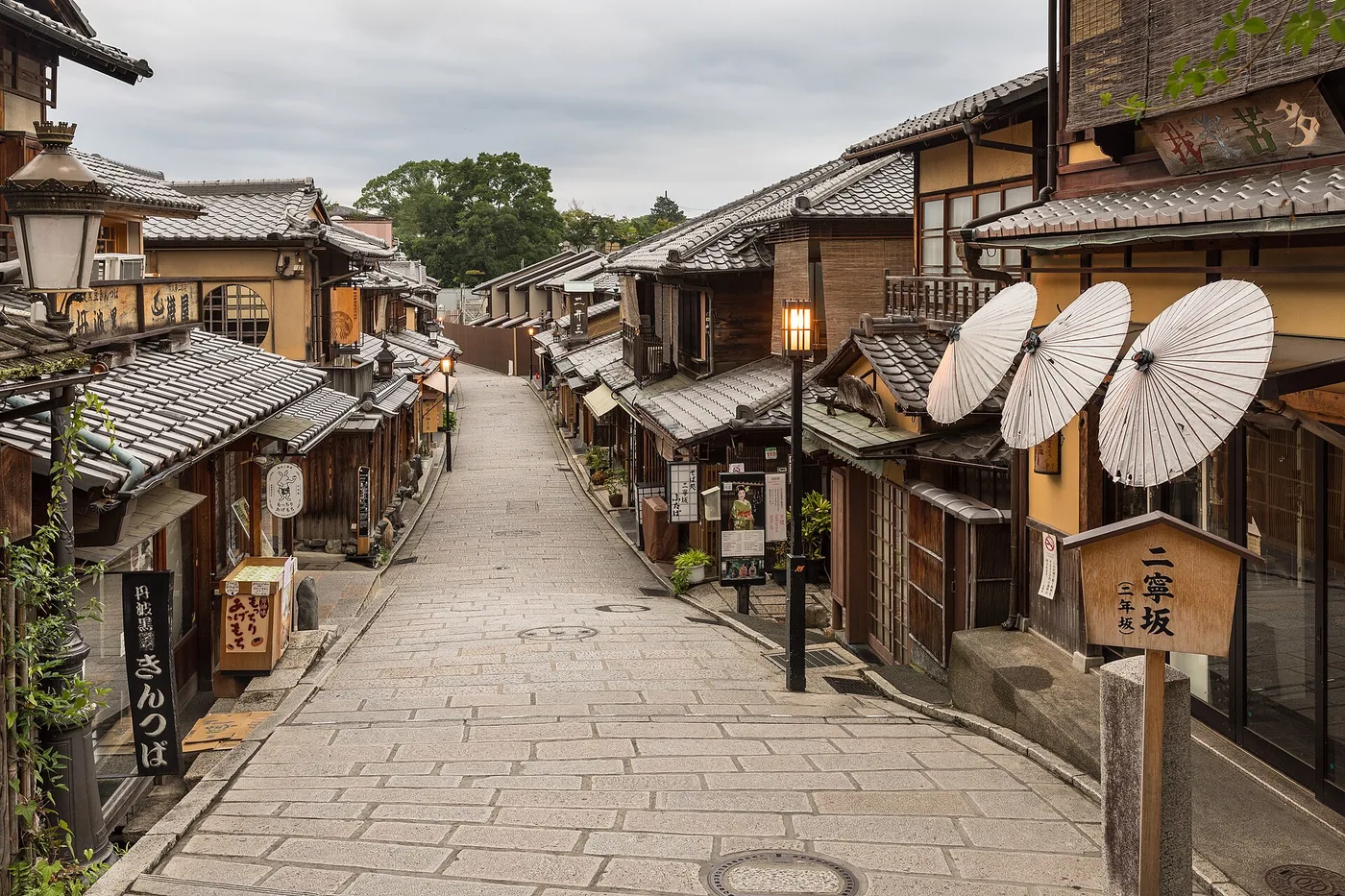
For the first full day, choose a manageable section of eastern Kyoto rather than joining disconnected pins across the city. Start with one temple or garden, continue through public streets and make lunch a proper break. Neighborhoods are lived-in places: keep entrances clear, follow photography signs and avoid assuming a private lane is a visitor attraction.
A walking guide is useful if you want architectural or cultural context and are comfortable with the stated pace. Look for the actual meeting point, group size and what is included. Travelers who prefer frequent independent stops may get better value from a self-directed walk with one separately booked cultural activity.
Treat Arashiyama as a separate choice
Kyoto's official guide places Saga and Arashiyama northwest of the city and notes the popularity of its bamboo forest and bridge. That makes it a distinct half-day or day choice, rather than an effortless addition to an eastern itinerary. Check the official access information and your route before deciding it fits.
Choose between a west-side outing and a second slower day near your hotel. Trying to do both can consume the time saved by staying centrally. If an organized excursion is appealing, compare time actually spent walking with time spent boarding vehicles. A long attraction list does not necessarily deliver a satisfying afternoon.
Buy the tea experience that matches your interest
A tea booking can provide a useful pause, but descriptions vary widely. Some sessions concentrate on a demonstration; others include hands-on preparation, sweets or a longer explanation. Read the duration and language details, and ask about seating if kneeling or floor seating would be uncomfortable. Do not assume a photo of traditional clothing means clothing rental is included.
Reserve after you understand your sightseeing geography. A midafternoon session near the morning's route is easier to enjoy than one requiring an urgent cross-city transfer. Skip this purchase if you only want a relaxed drink: an ordinary cafe break may meet that need without the formality or fixed timing.
Protect the weekend from small booking mistakes
Check each venue's own admission and opening information shortly before departure. Keep a rain alternative close to your base, and avoid paying for overlapping activities that cover the same streets. For lodging, compare the final two-night total, cancellation deadline, breakfast terms and room configuration rather than the first price in a search result.
Pack a light bag for the day and leave shopping until after your main walk. A refundable hotel rate can be worth considering when flight arrangements remain unsettled, but read its exact deadline. Spend the saved planning energy on a realistic meal break; hungry travelers are rarely improved by one more distant temple.
Compare your options
| Base | Best fit | Tradeoff |
|---|---|---|
| Kyoto Station | Rail arrival and early departure | Less focus on atmospheric evening lanes |
| Downtown | Dining and flexible routes | Street-facing rooms may be lively |
| Eastern neighborhood | Walks near traditional streets | Exact station access varies |
MAKE THE NEXT STEP A CONSIDERED ONE
Ready to compare?
Check the live listing, inclusions, total price and cancellation terms with the provider. A clear fit matters more than a tempting headline price.
External websites. Purchases and bookings take place directly with your chosen provider.A few useful questions
Should I book a guide for both days?
Usually one focused guided session is enough for a short visit. Use the other day for independent stops unless you specifically want detailed interpretation throughout.
Is a distant hotel worthwhile for a lower rate?
Only after adding the transport cost and daily travel time. Compare the complete stay rather than assuming the room saving is the final saving.
Sources and further reading
Published provider and destination information informs this guide. Our comparisons are editorial judgments rather than reports of personal testing. Check the original source for current details.
Have a correction? Tell our editors.