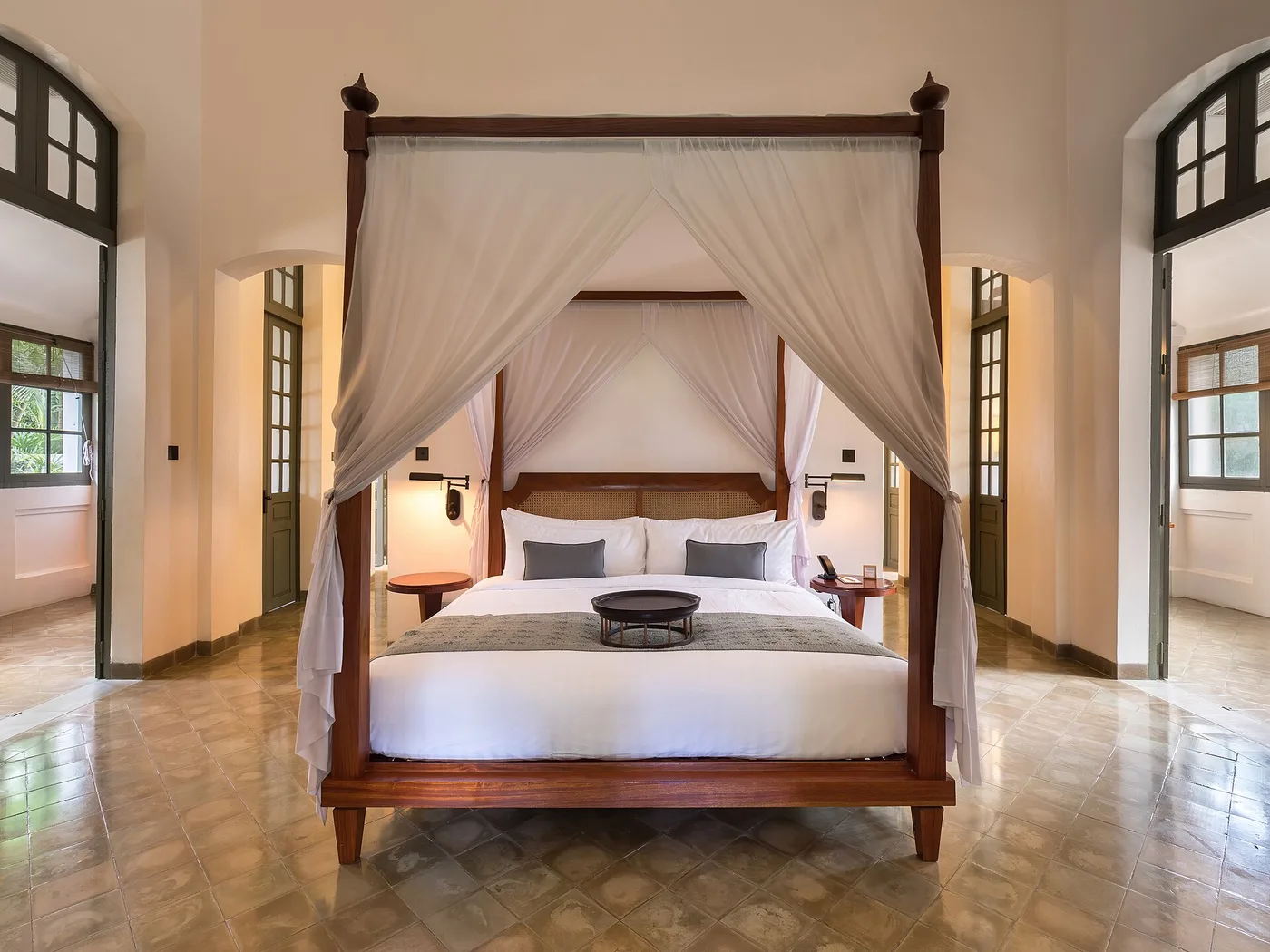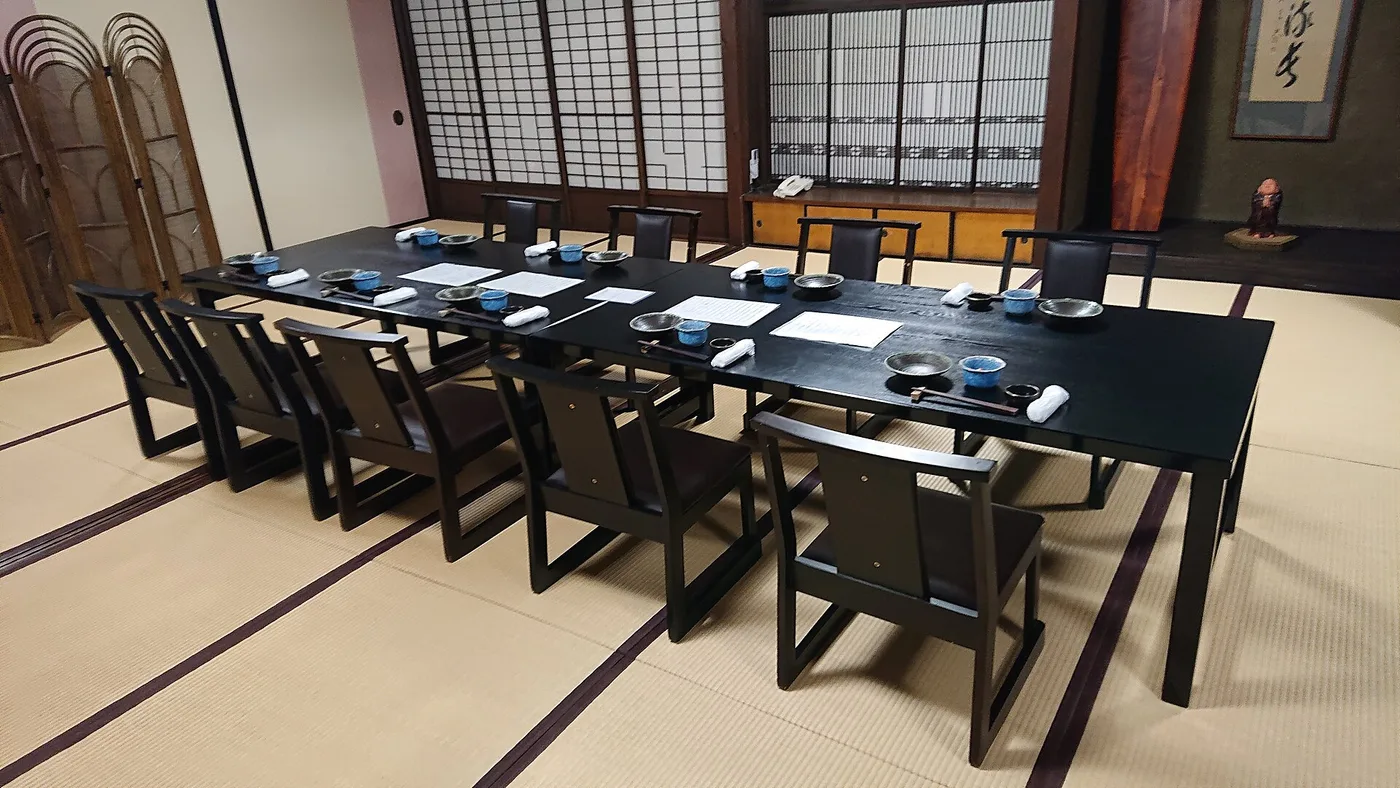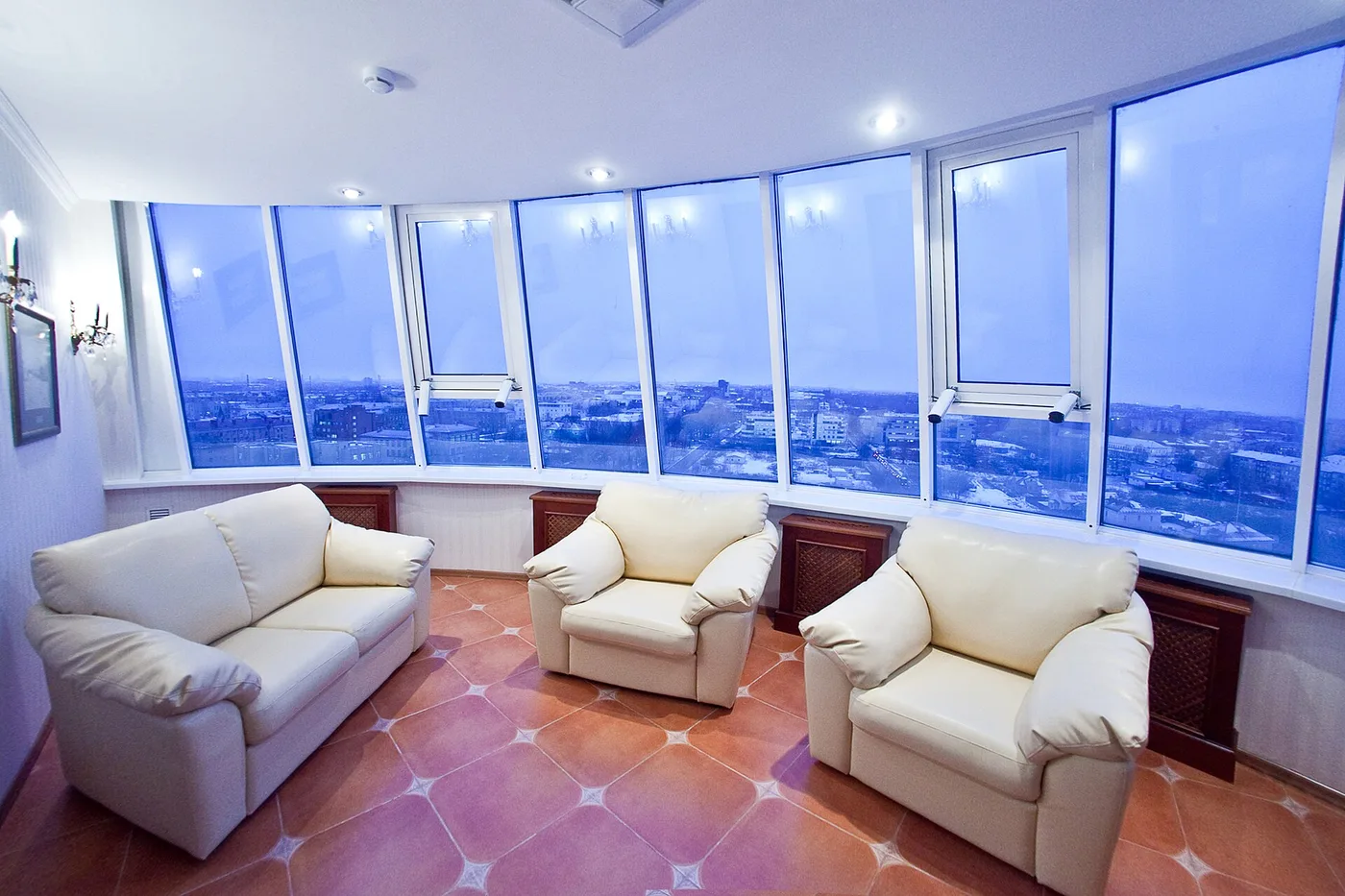
You reach the final booking screen and see a tempting upgrade: a larger room, a partial sea view or access to a lounge. The difference looks manageable beside the total trip cost, but several small upgrades can quietly consume the budget for a good dinner or a useful tour. Start with the way you will use the room. A couple who leave after breakfast may value a quiet location more than extra floor space. A family with different bedtimes may gain far more from a separate room than a view. Choosing well means translating the category label into an everyday benefit. Ask what is confirmed, what is merely requested, and whether the photographs show the exact category you are buying.
THE SHORT VERSION
Upgrade for a feature you will use repeatedly: better sleeping arrangements, a usable outdoor area or space to separate activities. Skip vague superior or deluxe labels unless the description explains the difference. Buy essential features in the reservation rather than hope for a complimentary change at check-in.
In this guide
Name the problem before selecting the solution
Write down what a standard room would make difficult. Is it unpacking two suitcases, finding a proper second bed, holding a quiet work call or sitting outside in the evening? If you cannot identify a problem, inspect the standard category more closely. It may already provide everything you need.
For a short city break, location or breakfast timing might help more than a larger room. For a week at a resort, a comfortable balcony can become part of every day. Evaluate the entire stay instead of treating the upgrade as a one-time amount that is too small to matter.
Read the floor plan, especially for families
A suite can be one open space with a seating area, or it can have a bedroom separated by a door. Those arrangements behave differently once someone falls asleep. Check the actual sleeping surfaces, maximum occupancy and any extra-bed charge. More square footage does not necessarily provide more privacy.
Connecting rooms may solve a family layout better than a large suite, but distinguish a request from a confirmed product. Hilton's connecting-room FAQ describes a specific booking process at participating hotels that confirms the connection. A note saying adjoining rooms requested is not equivalent. Ask exactly what your confirmation will show.
Interrogate the view before paying for it
A sea-view category may face the water directly, offer a glimpse from a corner, or require standing at the balcony edge. Ask how the hotel's categories differ and whether the balcony has seating. Also consider orientation, road noise and nearby public areas. A good outlook that you cannot comfortably use has limited everyday value.
If sightseeing fills your days, put the view premium beside a waterfront meal or an experience outdoors. Those alternatives may deliver more time enjoying the setting. A room view makes more sense when you expect quiet mornings or evenings in the hotel and want that scenery without another outing.
Value lounge benefits against your schedule
List the actual hours and inclusions for a lounge category: breakfast, refreshments, work space and guest eligibility. Count only what you would otherwise purchase. An evening service conflicts with restaurant plans if you are out every night; an adults-only or age-limited space may not fit a family reservation.
Do not assume lounge access includes unrestricted dining or that every brand uses the same rules. Request the property's current description, including closures and any limits. Compare an inclusive rate with a standard room plus the meals you truly want, rather than maximizing consumption simply to justify the booking.
Decide which features must be guaranteed
Suitable beds, step-free access or a door between sleeping areas can be essential. Book a category that confirms those needs and communicate with the property before payment if the description is unclear. A preferred floor or outlook can remain a request only if you are comfortable without it.
Check the upgrade's cancellation conditions separately. Sometimes an appealing room rate comes with stricter terms than the standard option. Keep a copy of the category description, and choose the room you can happily keep if no further complimentary upgrade appears. That makes arrival a pleasant start rather than a negotiation.
Compare your options
| Feature | Strong reason to buy | Weak reason to buy |
|---|---|---|
| Separate bedroom | Different bedtimes or working hours | Only a more impressive category name |
| Balcony with seating | Daily outdoor breakfast or evening use | A brief stay spent entirely out |
| Lounge access | Hours and inclusions match your routine | Benefits overlap with other plans |
MAKE THE NEXT STEP A CONSIDERED ONE
Ready to compare?
Check the live listing, inclusions, total price and cancellation terms with the provider. A clear fit matters more than a tempting headline price.
External websites. Purchases and bookings take place directly with your chosen provider.A few useful questions
Are connecting rooms and adjacent rooms the same?
No. Connecting rooms have an internal connecting door; adjacent rooms may simply be next to each other. Confirm the arrangement explicitly.
Should I wait for an upgrade at check-in?
You can ask about available paid options, but do not rely on them for essential features. Availability and terms can change before you arrive.
Sources and further reading
Published provider and destination information informs this guide. Our comparisons are editorial judgments rather than reports of personal testing. Check the original source for current details.
Have a correction? Tell our editors.