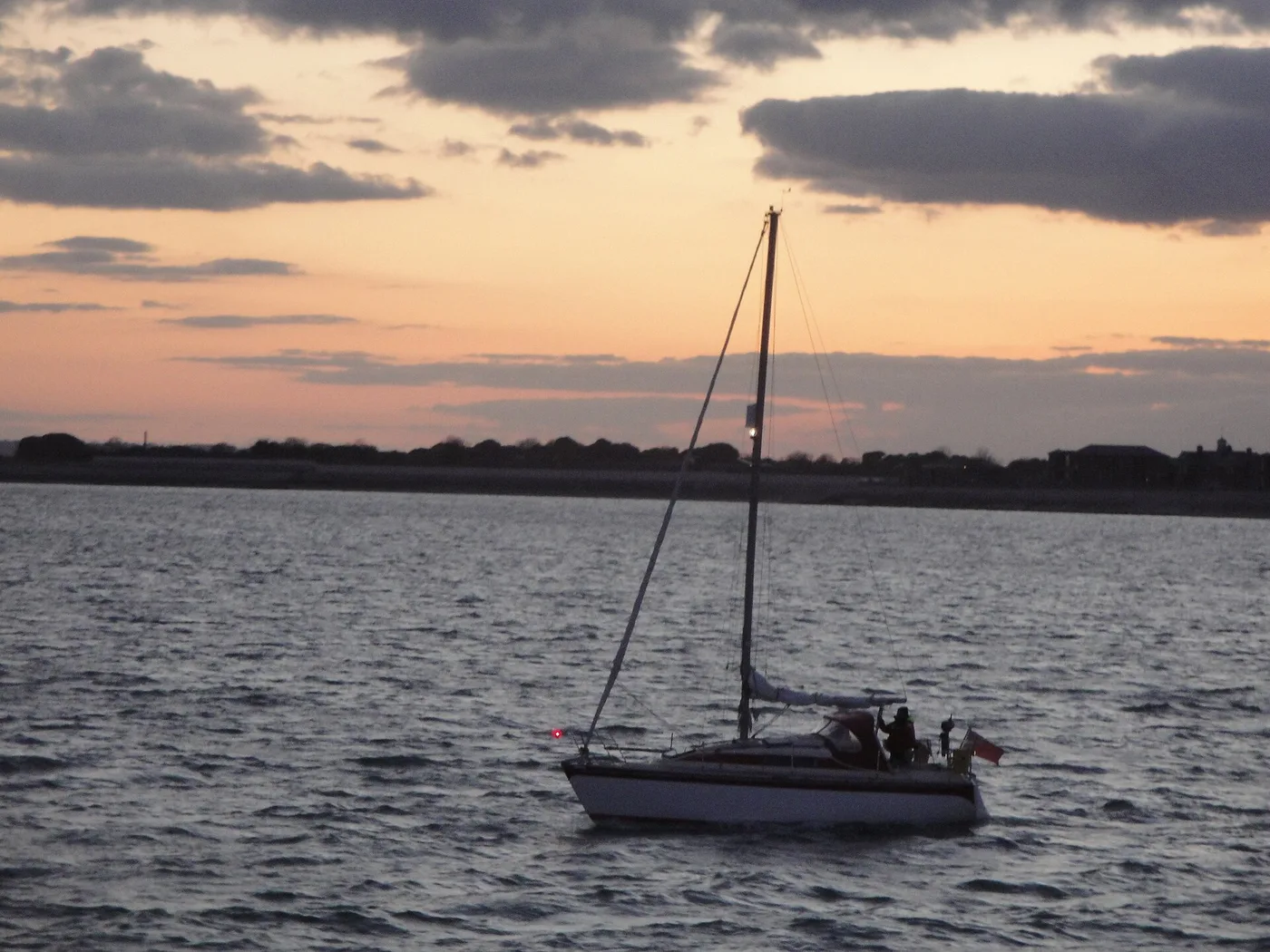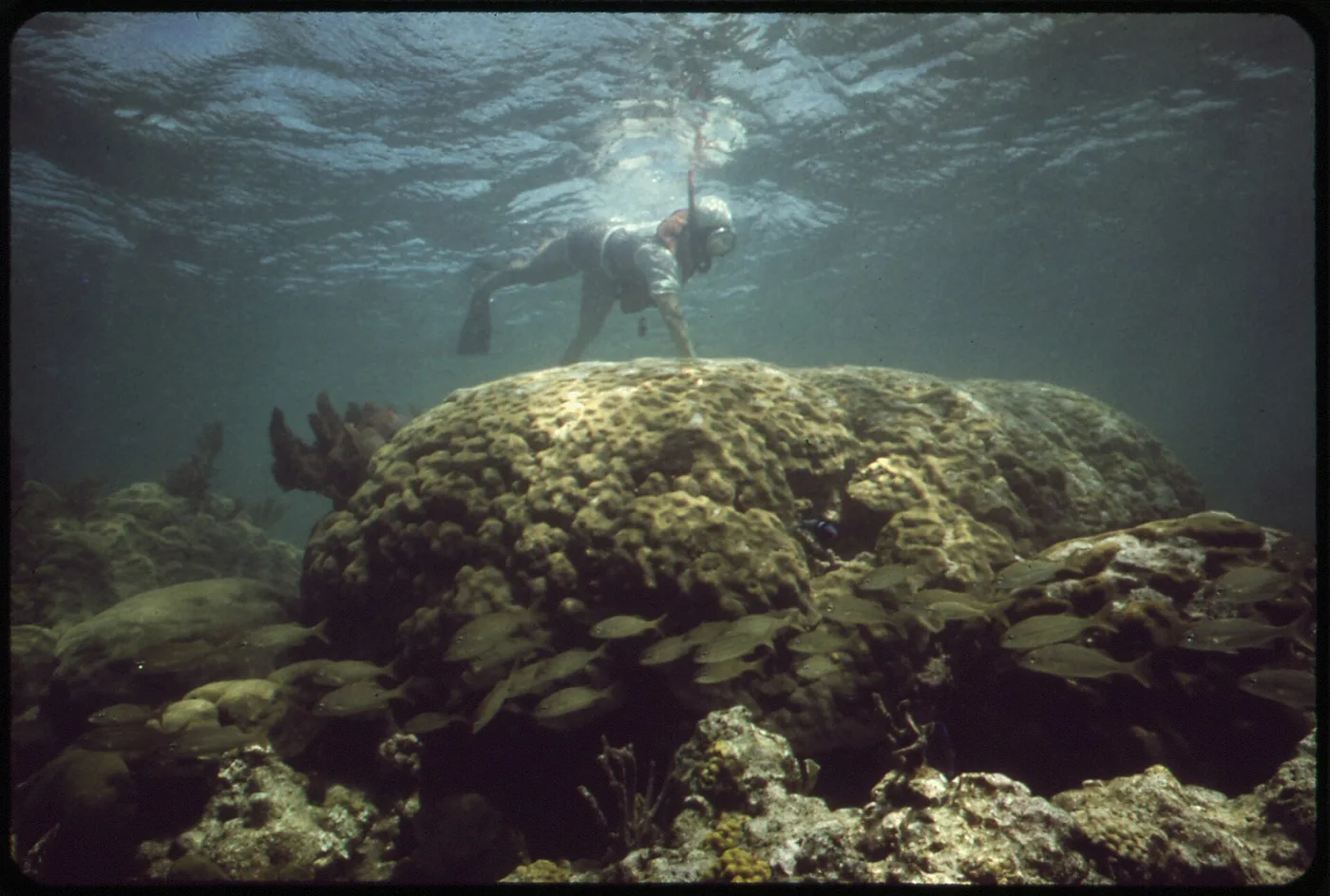
Picture a boat stopping above blue water while other guests put on masks and climb down a ladder. It can be a wonderful moment if you know what to expect. It can feel quite different if you assumed the crew would guide you in the water, the ladder is awkward or the group moves faster than your confidence allows. A snorkeling excursion should be chosen around your swimming ability and the operator's actual support. The cover photograph cannot establish either. Start by reading the activity description, then ask about supervision, conditions and getting back aboard. Paying for a suitable smaller outing can be worthwhile; buying a more distant reef or a longer list of stops is less useful if it makes the day harder to enjoy.
THE SHORT VERSION
Choose the trip whose water-entry arrangement, supervision and pace fit your ability. Pay for practical support and appropriate equipment before chasing the most dramatic reef photograph. Skip a booking if the provider cannot explain participant expectations or weather decisions, and be prepared to remain aboard when conditions exceed your comfort.
In this guide
Explain your confidence before the operator sells a route
Describe your swimming experience and whether you have used a mask and snorkel before. Ask whether the outing suits beginners and what skills guests need. Non-swimmers should not assume an excursion becomes suitable because flotation equipment is available. The operator needs to explain its participation requirements clearly.
Check whether instruction happens before entering open water and whether you can practice in a controlled setting. A beginner-friendly label should translate into a specific arrangement. If you want an introduction, a short supervised session may be a better purchase than a full-day trip to several offshore sites.
Distinguish boat supervision from an in-water guide
Ask who monitors the group, whether a guide enters the water, and how many participants each guide supervises. Find out how guests communicate that they need help and how the crew accounts for everyone before moving. A sightseeing boat carrying snorkeling equipment is a different product from a guided snorkeling excursion.
The National Park Service recommends checking conditions and equipment, snorkeling with a buddy and paying attention during entry and exit. Use these principles when evaluating the trip. A buddy arrangement supports awareness but does not replace appropriate operator supervision or your own decision about whether to enter.
Check the ladder, equipment and time in the water
Read how you board and return to the boat. A steep ladder, a large step or a beach landing may matter if mobility is limited. Ask the operator for a description suited to your needs. Also confirm which items are included: mask, snorkel, fins and any flotation support may be offered differently across tours.
Ask how equipment is fitted and whether children have suitable sizes. Poorly fitting gear can dominate the experience. Buying your own mask may make sense for repeated outings once you know it fits, but a one-day traveler should not buy an entire equipment bundle simply because the booking leaves unclear what is supplied.
Choose the itinerary by comfort rather than stop count
Compare travel time with time actually available in the water. A long crossing can be tiring, and several brief stops may feel rushed. Check shade, seating, drinking water, restroom access and the meal arrangement. A shorter outing with a suitable site can provide a more enjoyable introduction than a full day built around a lengthy transfer.
Ask how the crew changes sites when wind, visibility or currents make the planned location unsuitable. The most famous reef is not automatically the appropriate choice that day. Understand the cancellation and rescheduling rules before paying, including what happens when the trip operates but the itinerary changes.
Protect the setting and your own enjoyment
Observe wildlife without touching, chasing or standing on coral. The National Park Service specifically advises giving wildlife and coral space. Keep equipment under control, follow local instructions and avoid an operator whose marketing relies on intrusive encounters. A respectful experience can be rewarding without a close-contact photograph.
Bring practical sun protection, a dry change of clothes and a protected bag for essentials, following the operator's guidance. Keep valuables minimal. If motion sickness is a concern, ask a qualified pharmacist or clinician about appropriate preparations. Most importantly, choose a trip where staying aboard remains an acceptable option rather than pressure to participate in every stop.
Compare your options
| Outing | Best fit | Confirm |
|---|---|---|
| Short beginner session | Trying snorkeling with clear instruction | Skills required and supervision |
| Guided boat excursion | More time in suitable water with support | Guide-to-guest arrangement |
| Sightseeing cruise with masks | Confident guests wanting an optional swim | Whether any in-water guiding exists |
MAKE THE NEXT STEP A CONSIDERED ONE
Ready to compare?
Check the live listing, inclusions, total price and cancellation terms with the provider. A clear fit matters more than a tempting headline price.
External websites. Purchases and bookings take place directly with your chosen provider.A few useful questions
Does included equipment mean the trip suits beginners?
No. Ask about required swimming ability, instruction, supervision and water conditions. Equipment availability alone does not establish suitability.
What if I do not want to enter the water?
Confirm before booking that you may remain aboard comfortably. During the trip, follow crew instructions and decline entry when conditions or confidence are unsuitable.
Sources and further reading
Published provider and destination information informs this guide. Our comparisons are editorial judgments rather than reports of personal testing. Check the original source for current details.
- National Park Service: snorkeling safety and reef care ↗
- National Park Service: swimming conditions and currents ↗
Have a correction? Tell our editors.