Imagine waking before sunrise for your first safari, pulling on a warm layer and meeting the vehicle outside camp. The day ahead depends on far more than the lodge's pool or bedroom. How long you drive, where you travel, who interprets the landscape and how much rest the schedule permits all shape the experience. First-time buyers often compare accommodation photographs because they are easy to understand. Itineraries require closer reading, yet they reveal the product you will actually spend your days enjoying. Start with time in the destination and the rhythm of each day. A simpler room with a thoughtful drive schedule can suit you better than an elaborate lodge reached through long transfers that consume most of a short stay.
THE SHORT VERSION
Choose the safari for its day-by-day structure, guiding and realistic time outdoors. Pay for a lodge upgrade when comfort or facilities support how you will spend the rest periods. Skip itineraries that promise guaranteed animal sightings, and compare the full package before judging value from the room alone.
In this guide
Count meaningful safari days
Read arrival and departure days separately from full days at camp. A three-night stay might provide only two complete days once transfers are included. Write down the expected drive opportunities and the time spent changing bases. Several parks or lodges can look impressive on a map while leaving little time to settle into any of them.
Ask for the transport sequence: airport, road journey, gate and final lodge connection. Include waiting and check-in. For a short first trip, fewer bases may deliver a calmer experience. Compare itineraries with the same usable days rather than simply the same number of nights.
Understand the actual drive schedule
SANParks lists morning, sunset and night drives in Kruger, with timing depending on the season, and advises guests to confirm at camp. These are distinct outings rather than interchangeable items. Read whether your package includes particular drives, how long they last and whether bookings must be made separately.
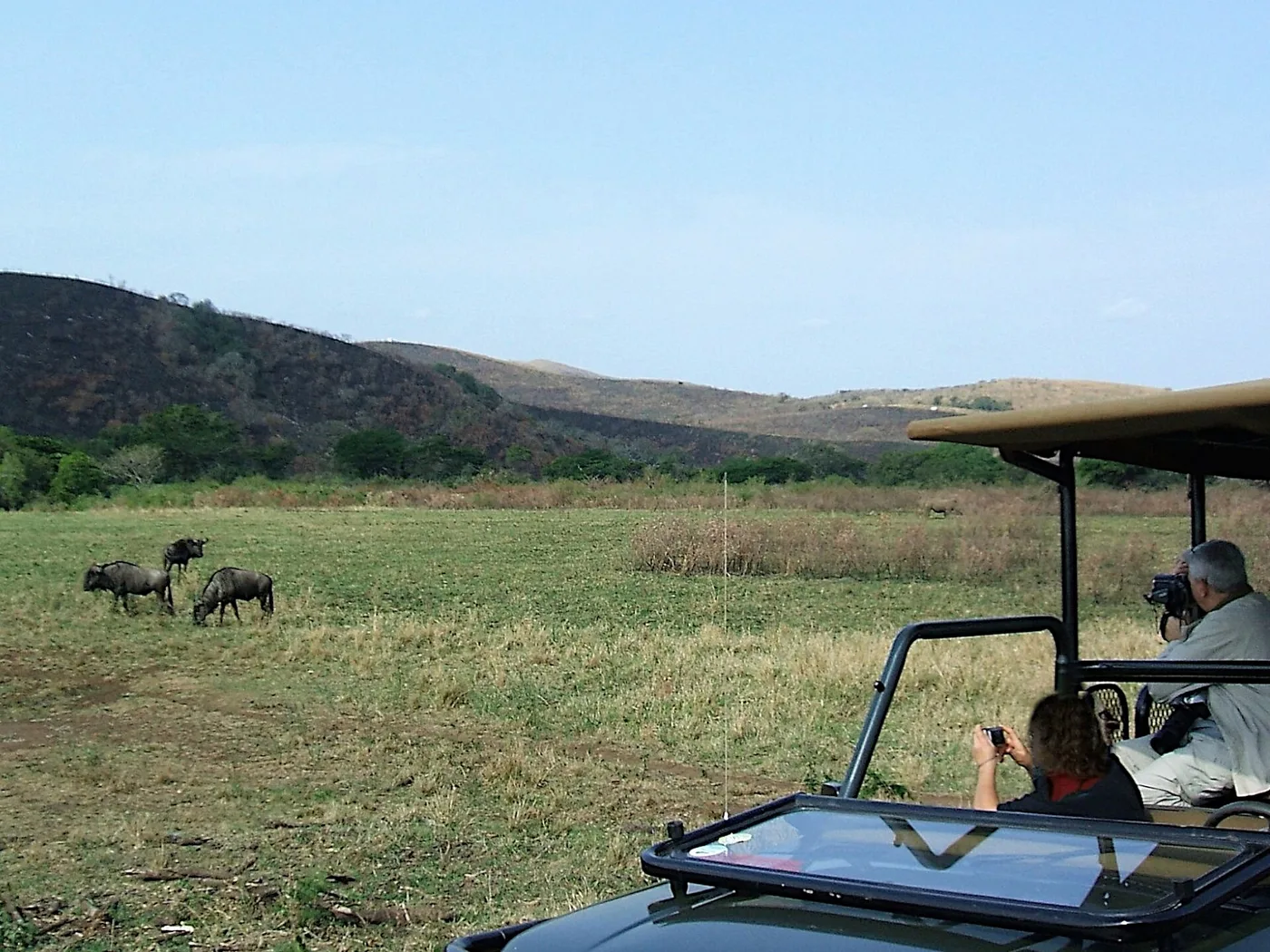
Ask how much of the day is guided and what happens between drives. A midday rest may be welcome, particularly after early starts. If photography is important, ask about stopping practices and vehicle seating rather than assume every safari format permits extended time at a sighting.
Match the vehicle arrangement to your party
Find out the maximum passengers, whether each guest has a useful viewing position and whether the vehicle is shared. A private vehicle can provide party-only space, but confirm how much the guide can adapt the route. Park rules, road conditions and responsible wildlife behavior still apply.
For children, check the operator's exact age rules for each activity. SANParks' Kruger game-drive page says children younger than six cannot join those listed drives. A family needs an itinerary whose activities explicitly suit the ages traveling; choosing the right lodge alone does not settle that question.
Compare all inclusions before the room category
List meals, drinks, guided activities, park or conservation charges and airport transfers. Ask which are paid locally and which may change before travel. A lower accommodation rate can be less economical once essential drives and transfers are added. Request the complete written quote for your party and dates.
Check baggage guidance for any small-aircraft connection and whether laundry is available. These practical details can influence packing and comfort more than a decorative room upgrade. If most days are outdoors, a clean, comfortable room and a useful shaded rest area may satisfy your needs without a large suite.
Choose realistic expectations and responsible operators
Wildlife is not an appointment. Do not buy a package because it guarantees a particular animal or encourages intrusive encounters. Look for clear conduct guidance and a willingness to respect distance and conditions. A good itinerary allows the guide to interpret plants, birds and the broader landscape rather than reduce each drive to a list of mammals.
Check current destination entry guidance and discuss travel health requirements with a qualified travel-health professional in advance. Read cancellation and disruption terms for each component, especially separate transport. Keep the buying decision focused on confirmed services and suitable logistics; the unpredictability of nature is part of the experience.
Compare your options
| Itinerary choice | Useful advantage | Potential compromise |
|---|---|---|
| One base with several drives | Less transfer time and an easy routine | A narrower geographical range |
| Multiple lodge itinerary | Different settings and landscapes | More packing and travel days |
| Private vehicle arrangement | Space for your party and agreed priorities | Higher price and continuing park restrictions |
MAKE THE NEXT STEP A CONSIDERED ONE
Ready to compare?
Check the live listing, inclusions, total price and cancellation terms with the provider. A clear fit matters more than a tempting headline price.
External websites. Purchases and bookings take place directly with your chosen provider.A few useful questions
Can an operator guarantee sightings of specific animals?
Treat such promises cautiously. Choose the confirmed itinerary and responsible guiding; wildlife movements and conditions remain unpredictable.
Is a safari suitable for young children?
Some arrangements are, but age limits differ by lodge and activity. Obtain written confirmation for every planned drive and other outing before booking.
Sources and further reading
Published provider and destination information informs this guide. Our comparisons are editorial judgments rather than reports of personal testing. Check the original source for current details.
Have a correction? Tell our editors.